Author: Brad Colacino

Turning Point Parade 2027

OCT

17

The 250th Anniversary Commemoration of the Surrender at Saratoga: Turning Point Parade

October 17, 2027

Share
Copy link
URL has been copied successfully!

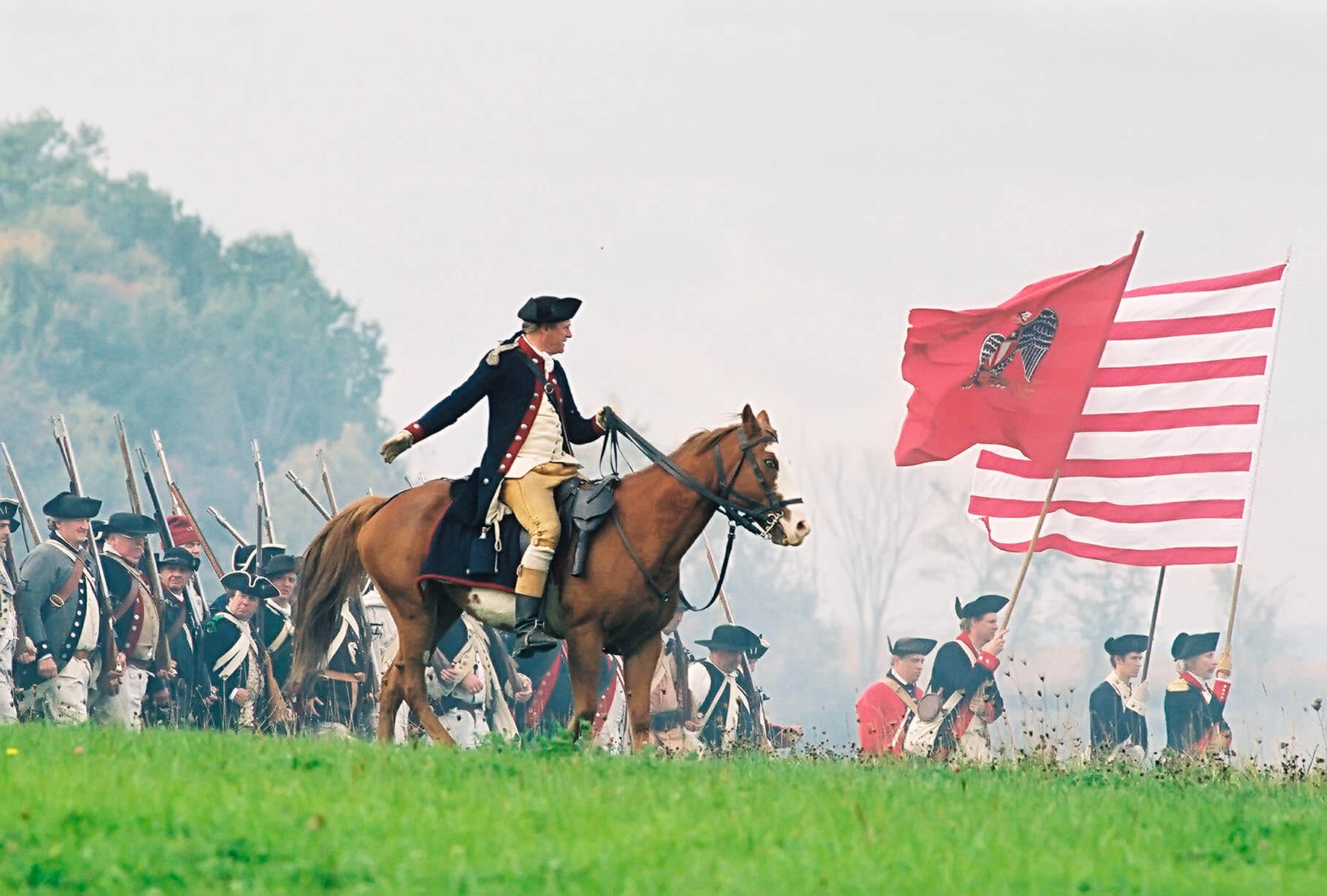
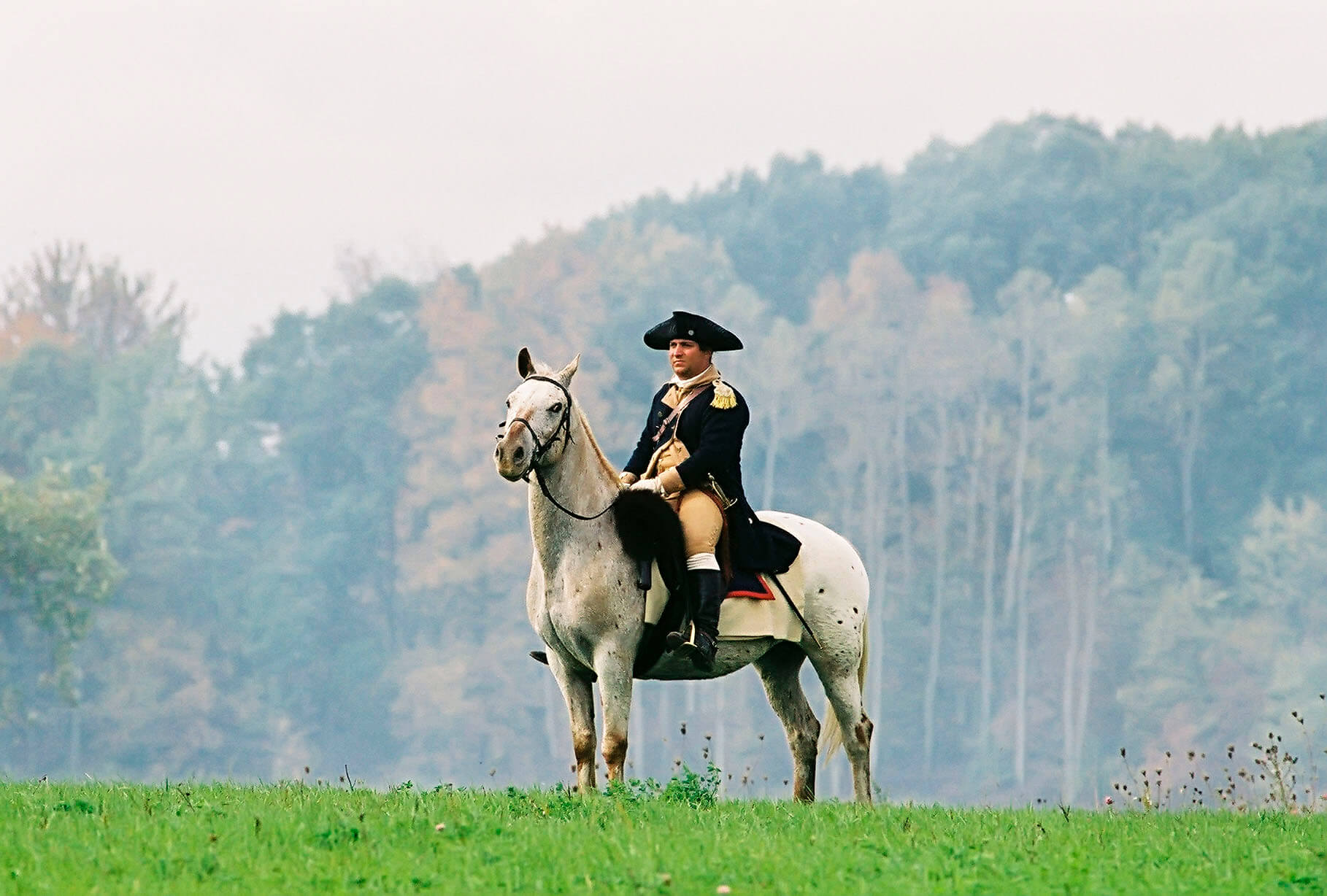
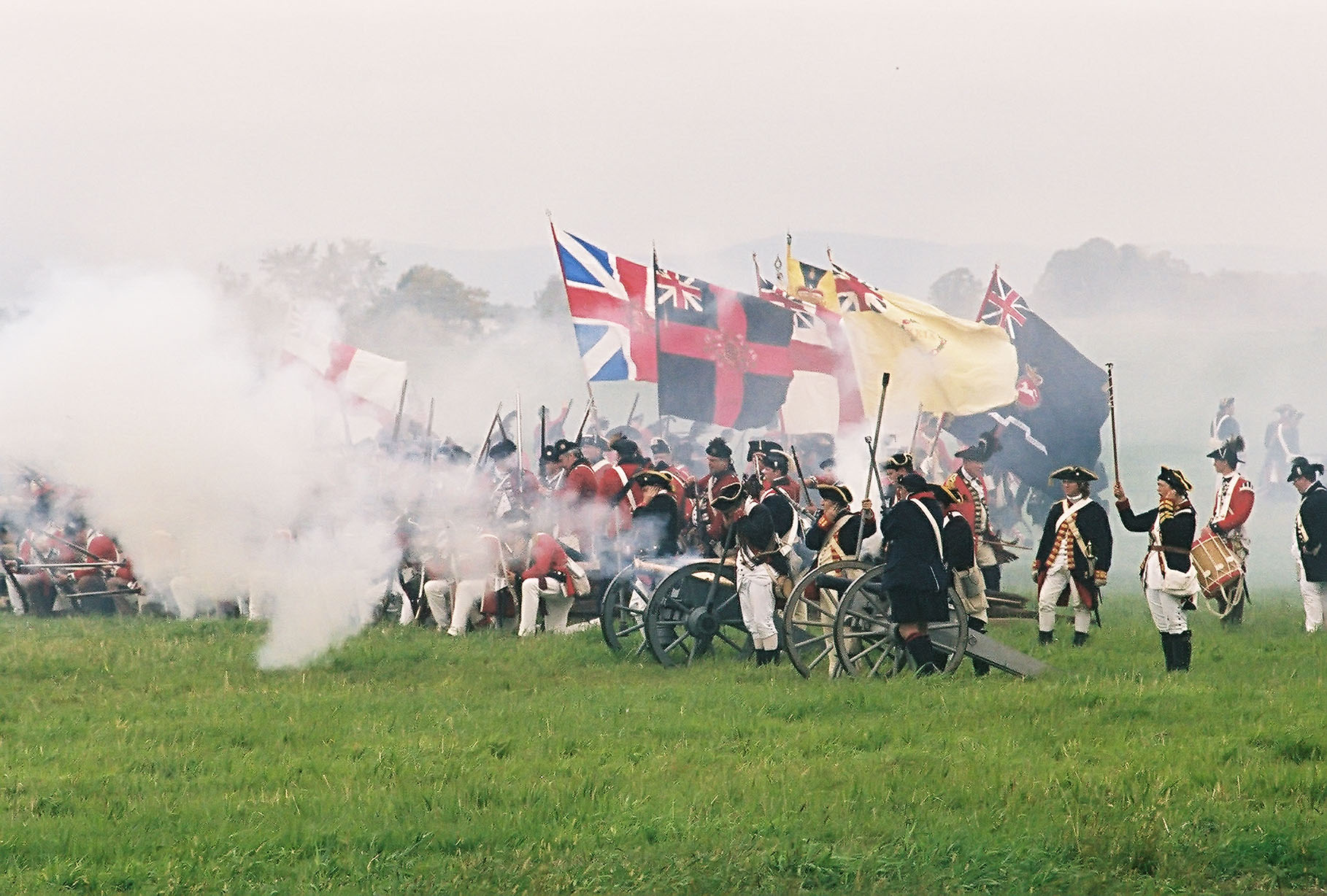
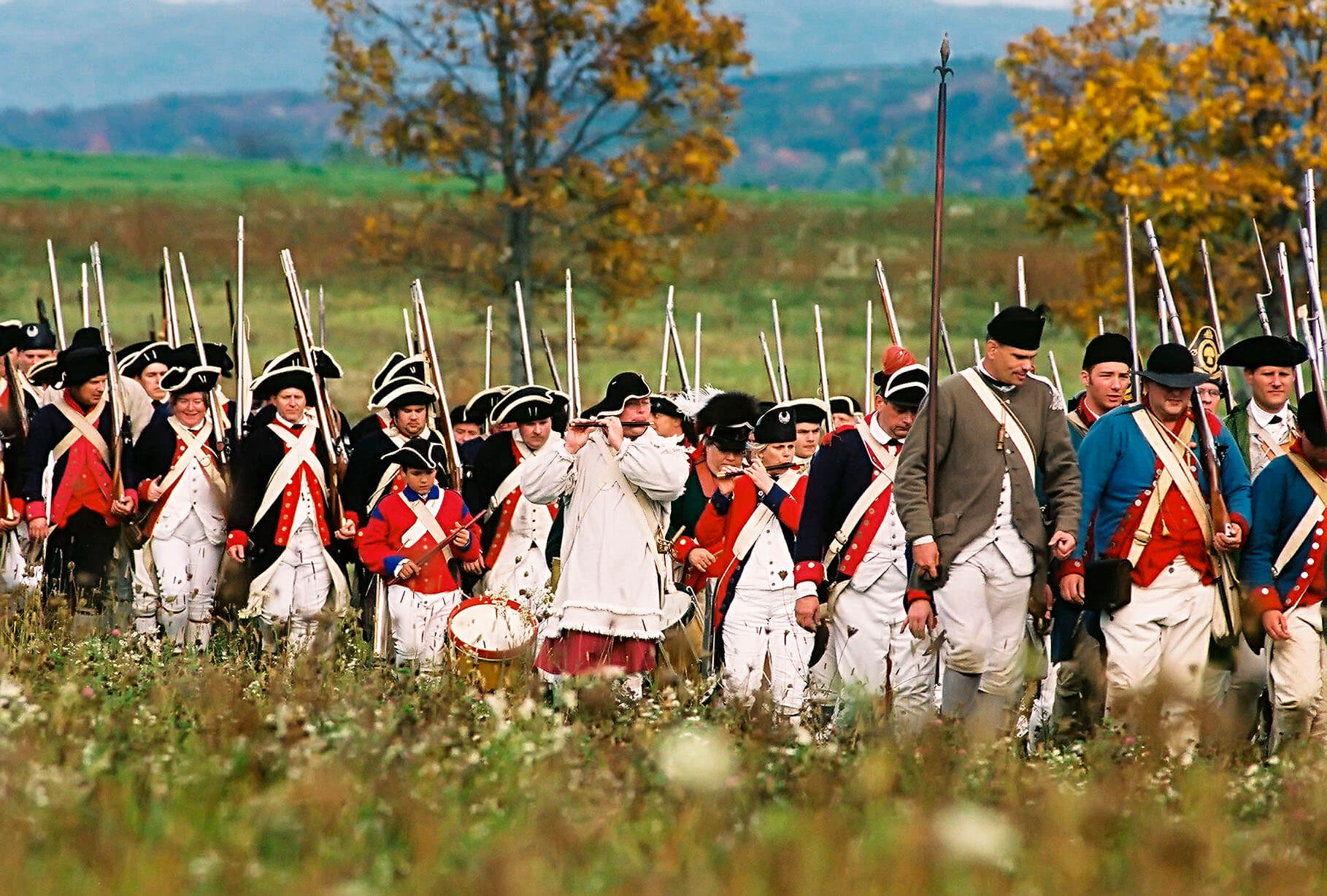
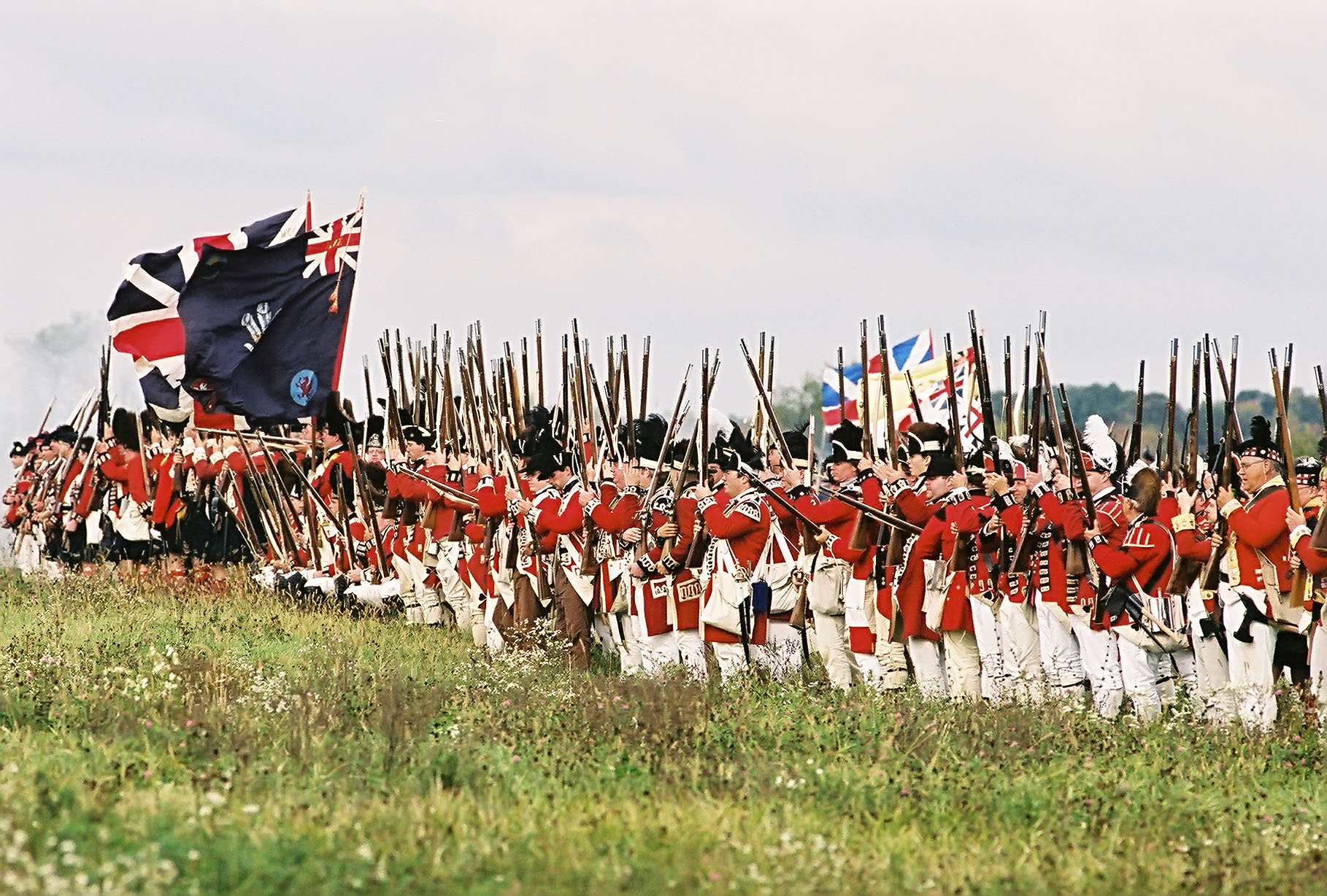
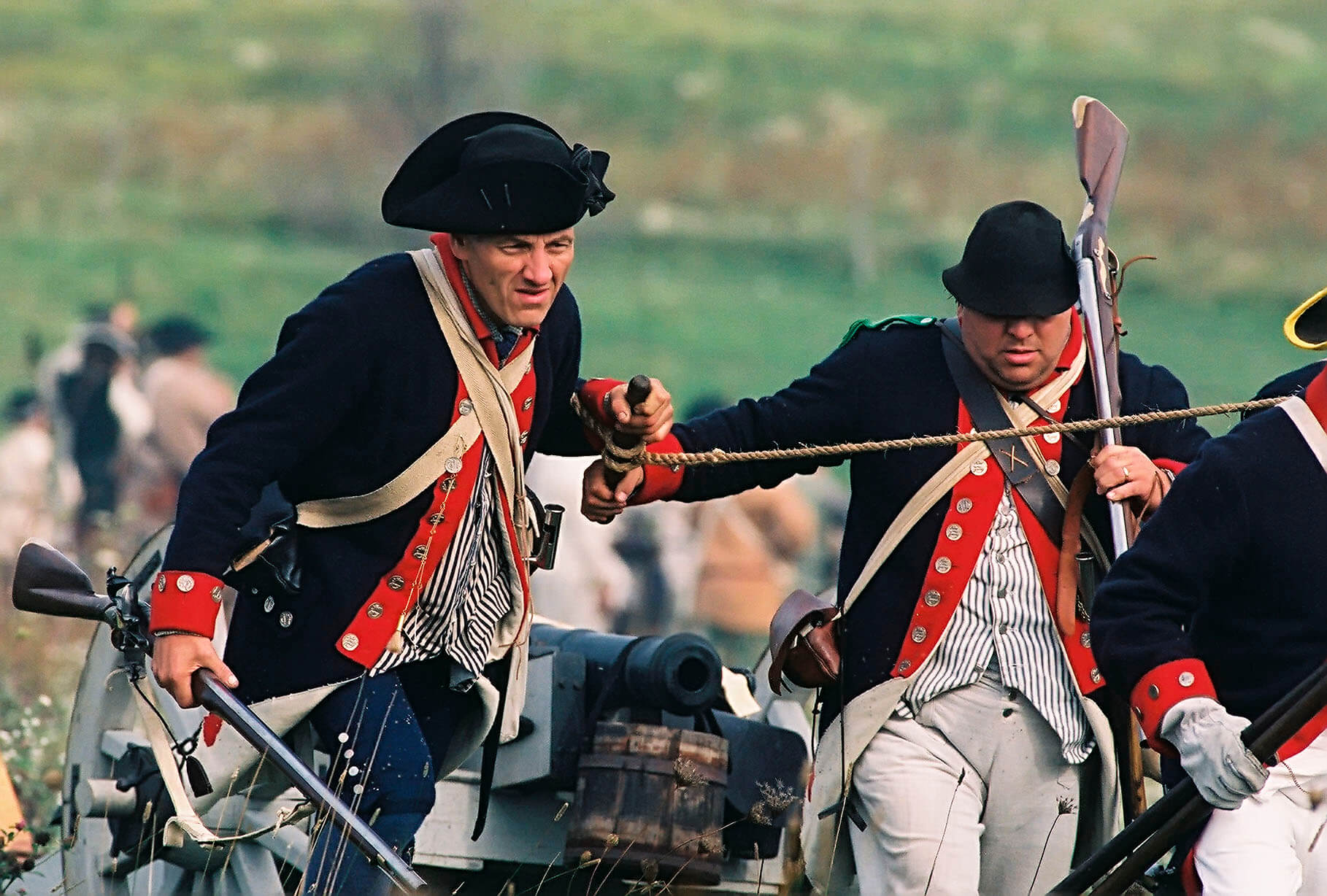
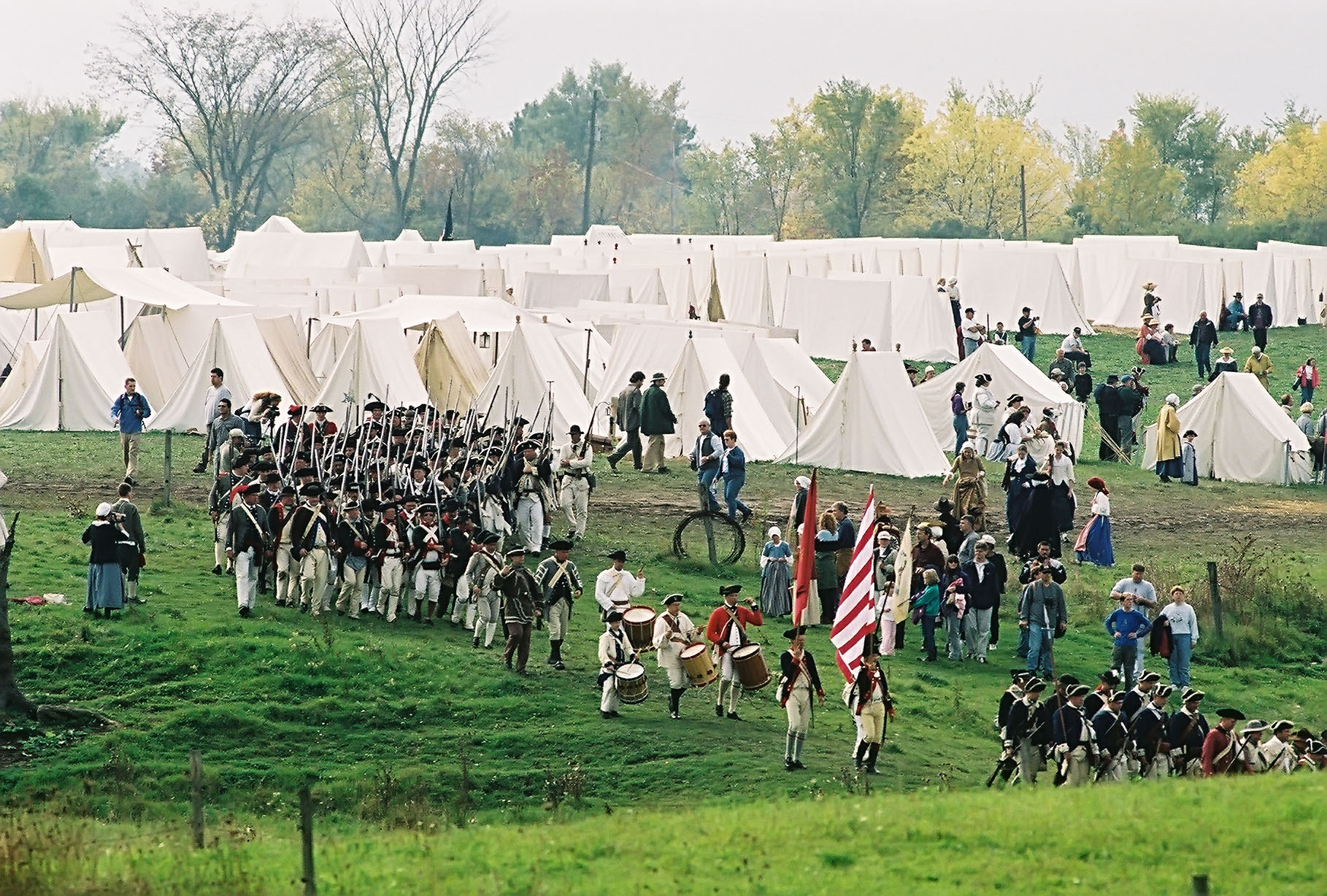
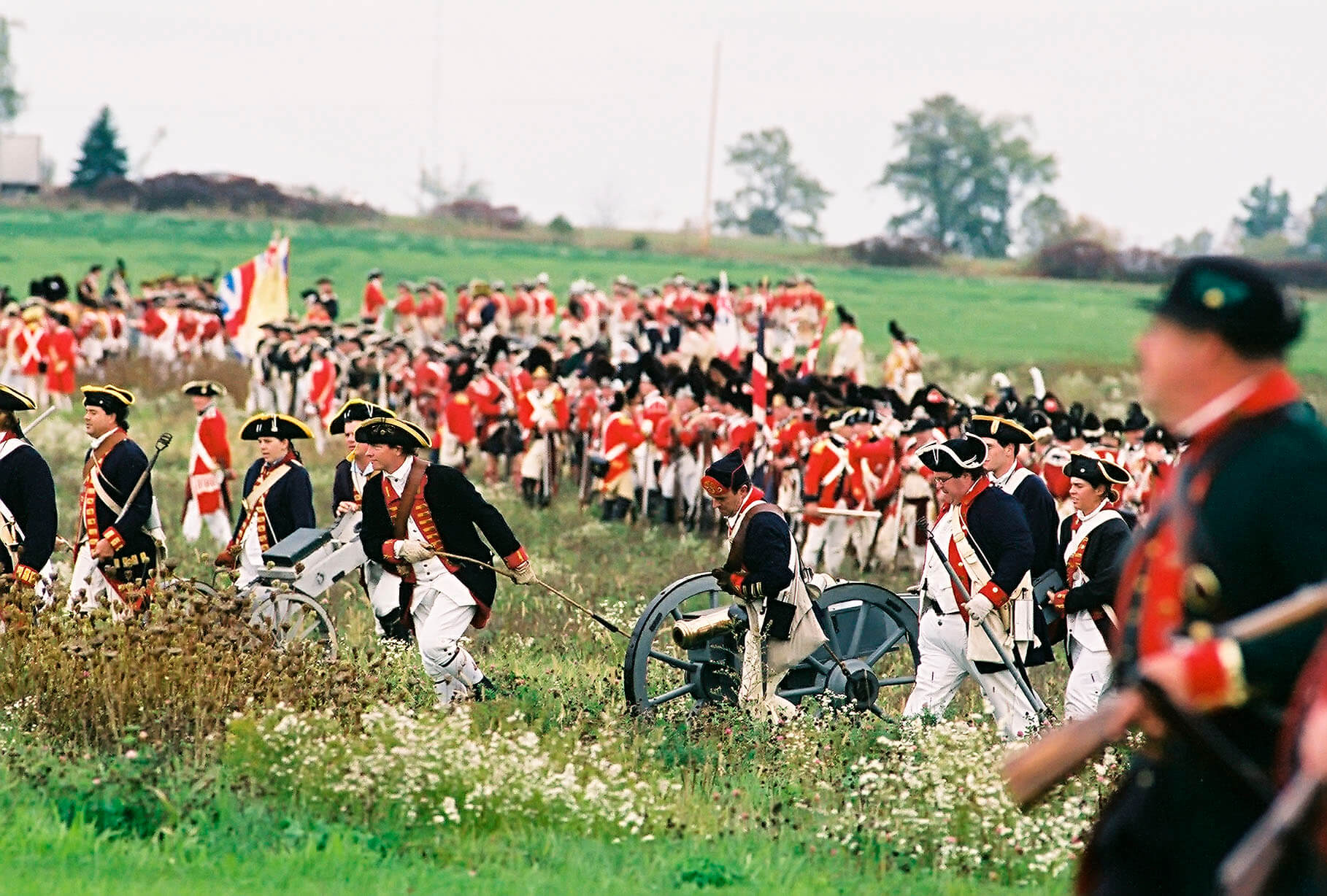
Now in its 32nd year, the parade moves along Broad Street in Schuylerville, where past and present meet in a shared act of remembrance. For many, it is one of the most visible expressions of how this community continues to carry forward the legacy of the Battles of Saratoga.

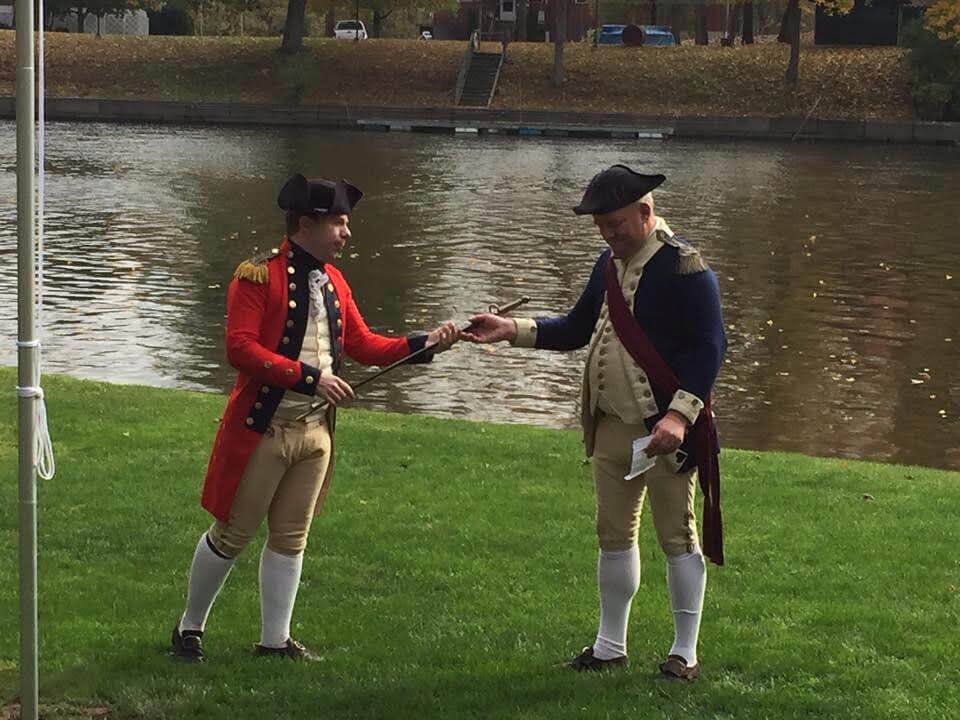
  • Sword Surrender Ceremony at Fort Hardy (2) (2)

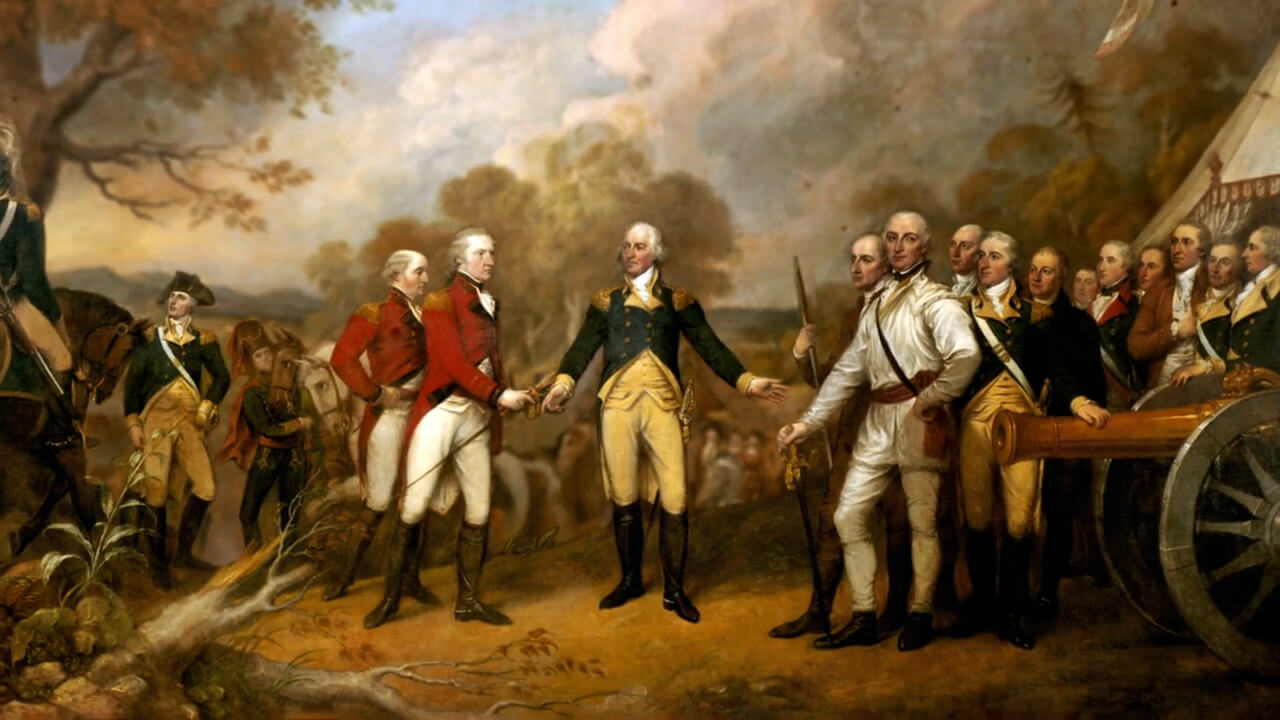
  • Surrender of General Burgoyne

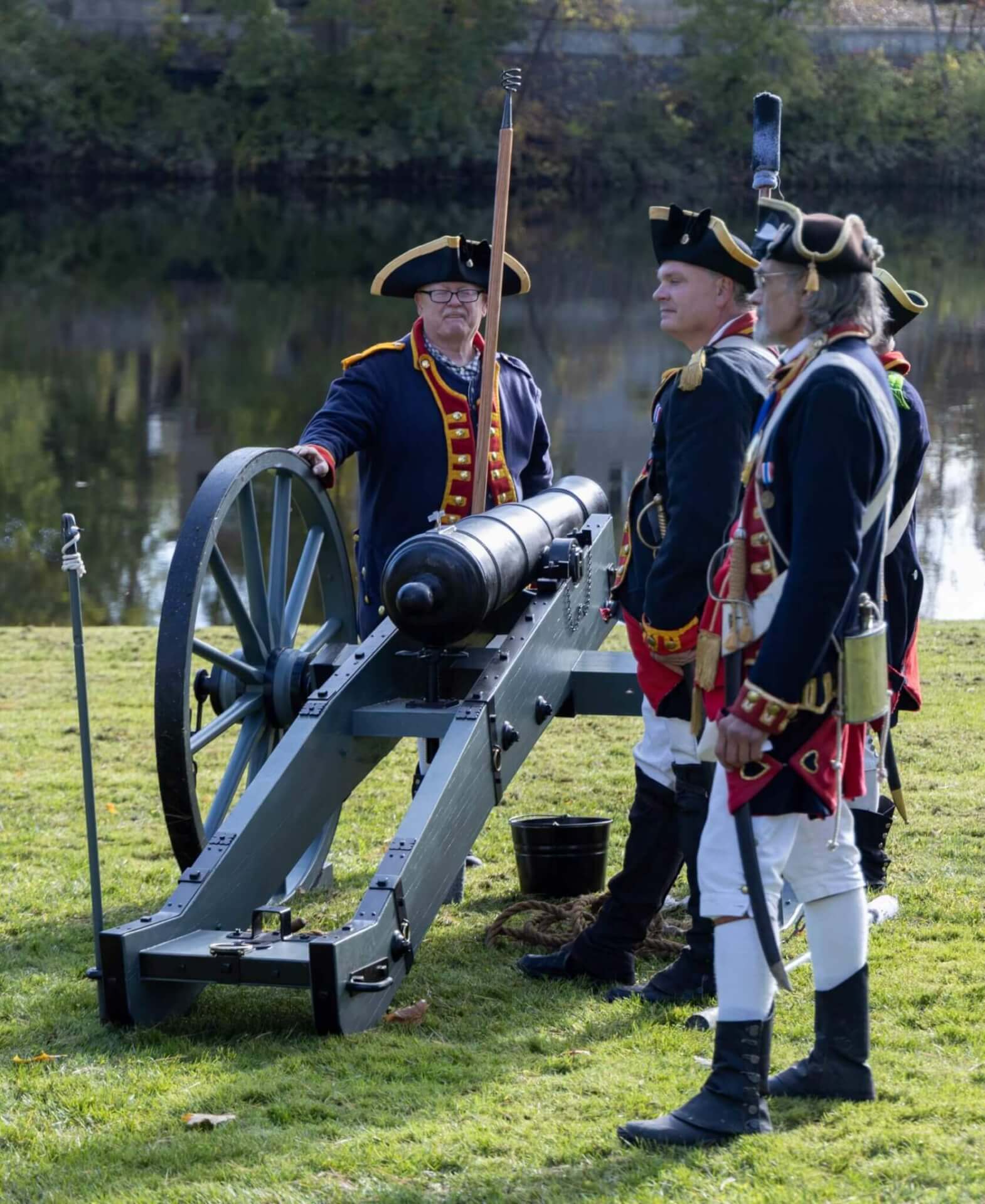
  • 2023-Surrender-Day-Artillery-Unit-Cannon-riverfront-1675×2048

The 250th Is Here

Surrender at Saratoga 250th Commemoration

00Days
00Hrs
00Min

A Mile March That Shaped the World

  • Start Time

    10:00 AM

  • Location

    Broad Street & Fort Hardy Park, Schuylerville, New York

Get Directions

Parade Information

This annual commemoration of America’s Turning Point victory at Saratoga enters its 32nd year thanks to our friends with The Turning Point Parade. The parade takes place on Broad Street in Schuylerville, look for Saratoga250 in the parade.

More info to come.

Why Is This Important?

The Turning Point Parade & Festival commemorates the American Victory at the Battles of Saratoga on October 17, 1777, during the American Revolutionary War.  In the months prior to October 8, 1777, the British suffered about 2,000 casualties. Burgoyne’s forces, now down to about 6,000 men, took refuge in a fortified camp on the heights of Saratoga (today’s Schuylerville).

There an American force that was approaching 20,000 men surrounded the exhausted British army.  Faced with such overwhelming numbers, Burgoyne surrendered on October 17, 1777. By the terms of the Convention of Saratoga, Burgoyne’s depleted army marched out of camp “with the Honors of War” and stacked their weapons along the west bank of the Hudson River at Fort Hardy. Saratoga was a decisive and important victory. It was the turning point of the American Revolution.

UPCOMING EVENTS

View All

Keep America's Turning Point Alive icon-star-red

Keep America’s Turning Point alive for generations to come by making a tax-deductible donation to the Campaign for Saratoga 250, Inc. Our certified 501c3 nonprofit organization is dedicated to promoting awareness, education, and preservation of critical assets of the Battles of Saratoga. Your support will help promote historical awareness of new generations of people across the region, nation, and globe.

Learn More

Continue reading

225th Saratoga

Celebrating the 250th: Battles of Saratoga Reenactment

OCT

9-10

Celebrating the 250th: Battles of Saratoga Reenactment

October 9–10, 2027

Two-day living history reenactment of the Battles of Saratoga

Share
Copy link
URL has been copied successfully!
  • 225thSaratoga_Oct12_2002_005 (1)

  • 225thSaratoga_Oct12_2002_020

  • 225thSaratoga_Oct13_2002_045

  • 225thSaratoga_Oct12_2002_061

  • 225thSaratoga_Oct12_2002_019

  • 225thSaratoga_Oct12_2002_015

  • 225thSaratoga_Oct12_2002_054

  • 225thSaratoga_Oct13_2002_012

  • 225thSaratoga_Oct12_2002_084

The 250th Is Here

Battles of Saratoga Reenactment

00Days
00Hrs
00Min

Event Details

  • Date

    October 9–10, 2027

  • Time

    Saturday: 10 am - 4pm & Sunday: 10 am - 3pm

More info to come.

UPCOMING EVENTS

View All

Keep America's Turning Point Alive icon-star-red

Keep America’s Turning Point alive for generations to come by making a tax-deductible donation to the Campaign for Saratoga 250, Inc. Our certified 501c3 nonprofit organization is dedicated to promoting awareness, education, and preservation of critical assets of the Battles of Saratoga. Your support will help promote historical awareness of new generations of people across the region, nation, and globe.

Learn More

Continue reading

saratoga 250 reenactors with cannon

America’s 250th Independence Day with Saratoga 250 at Historic Saratoga Race Course

JUL

4

Saratoga Race Course

Celebrate America’s 250th Independence Day in true Saratoga style at the historic Saratoga Race Course!

Share
Copy link
URL has been copied successfully!
  • substack-9b616224-d6c4-4389-9309-48cc12d1fed5

  • 20250704_134815

  • substack-d4bf3871-5494-4092-96a5-54f3b5f145dd (1)


Event Details

Join Saratoga 250 on July 4th for a patriotic community gathering that honors our nation’s founding and the region’s pivotal role in American history.

Enjoy a festive atmosphere filled with tradition, pride, and celebration at one of Saratoga’s most iconic landmarks. It’s a once-in-a-lifetime way to mark this milestone anniversary together.

Free Giveaway

Saratoga 250 & Saratoga Race Course branded thermal cup with lid – available first come, first serve with paid admission. 

Victory Cannon Display

Perfect for photo ops on America’s 250th, the replica 1777 era artillery piece is located in the backyard between the clubhouse entry & the scenic Saratoga Race Course paddock. 

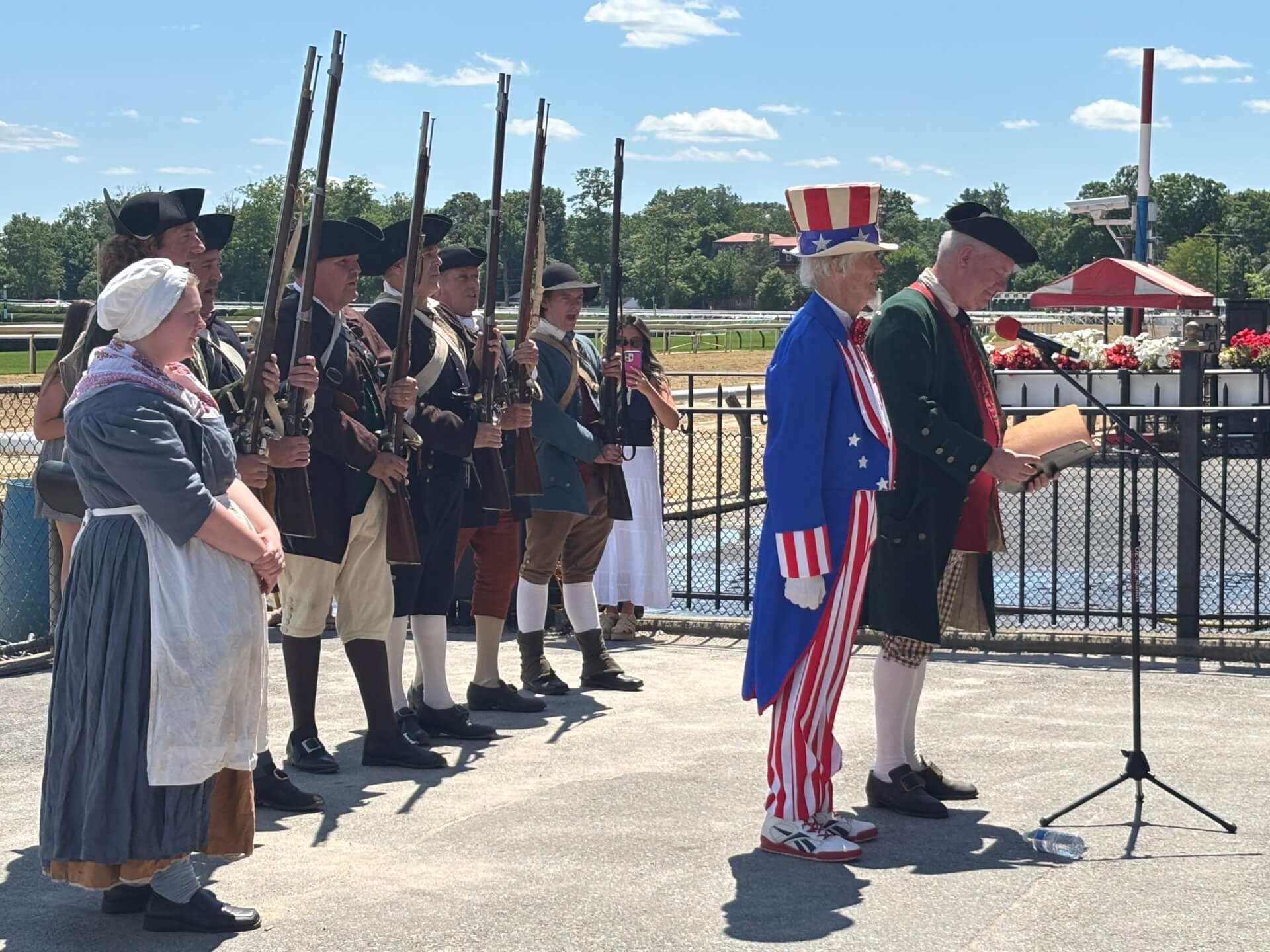
2nd MA Regiment Historians

Living historians in authentic Revolutionary era kit will lead a processional before the 4th race in front of the grandstand to recite part of the Declaration of Independence & accessible for discussion & photos near the cannon & throughout the grounds. 

Fife & Drum

Historic music accompanying the procession and historians by Musicians of Ma’alwyck performers throughout the afternoon.

Saratoga 250 Race

A featured thoroughbred race of the traditional July 4th Racing Festival will be dedicated to Saratoga 250 & the coming 2027 250th anniversary of the momentous American Victory at Saratoga.

Freeman’s Farm at Saratoga by War Cannon Spirits

Premium NYS certified distilled “Freeman’s Farm at Saratoga” bourbon by War Cannon Spirits available at Premium on grounds bars & restaurants – try the Saratoga 250 cocktail of the 2026 Saratoga Race course, “Victory at Saratoga,” where available (must be 21 years of age or above). 

Get Directions

UPCOMING EVENTS

View All

Keep America’s Turning Point Alive icon-star-red

Keep America’s Turning Point alive for generations to come by making a tax-deductible donation to the Campaign for Saratoga 250, Inc. Our certified 501c3 nonprofit organization is dedicated to promoting awareness, education, and preservation of critical assets of the Battles of Saratoga. Your support will help promote historical awareness of new generations of people across the region, nation, and globe.

Learn More

Continue reading

Saratoga County historian Lauren Roberts reads from the Declaration of Independence. Photo by Alex Portal.

‘Sharing the Spirit of America:’ Reading the words of independence

By The Post Star

Share
Copy link
URL has been copied successfully!

Saratoga County historian Lauren Roberts reads from the Declaration of Independence. Photo by Alex Portal.

Saratoga County historian Lauren Roberts reads from the Declaration of Independence. Photo by Alex Portal.


BALLSTON SPA – People from all 50 states, five territories, the District of Columbia, outlying islands, and on all seven continents (including the McMurdo Station in Antarctica) participated in a worldwide event commemorating the 250th anniversary of the first public reading of the Declaration of Independence on Wednesday.

“It was awesome to hear people read the Declaration in front of a crowd, just like it would have happened 250 years ago,” said Steve Bulger, Saratoga County administrator, after the event. “You don’t get to hear the Declaration read very often.”

The “Sharing the Spirit of America” event was spearheaded by the Hawai’i America 250 Committee. A total of 1,126 locations participated in the readings.

“Because the readings are all commensurate with 6 p.m. (EDT), July 8, they are all happening simultaneously,” the event’s website states. “At that moment, though geographically separated, Americans around the world will be joined together in time.”

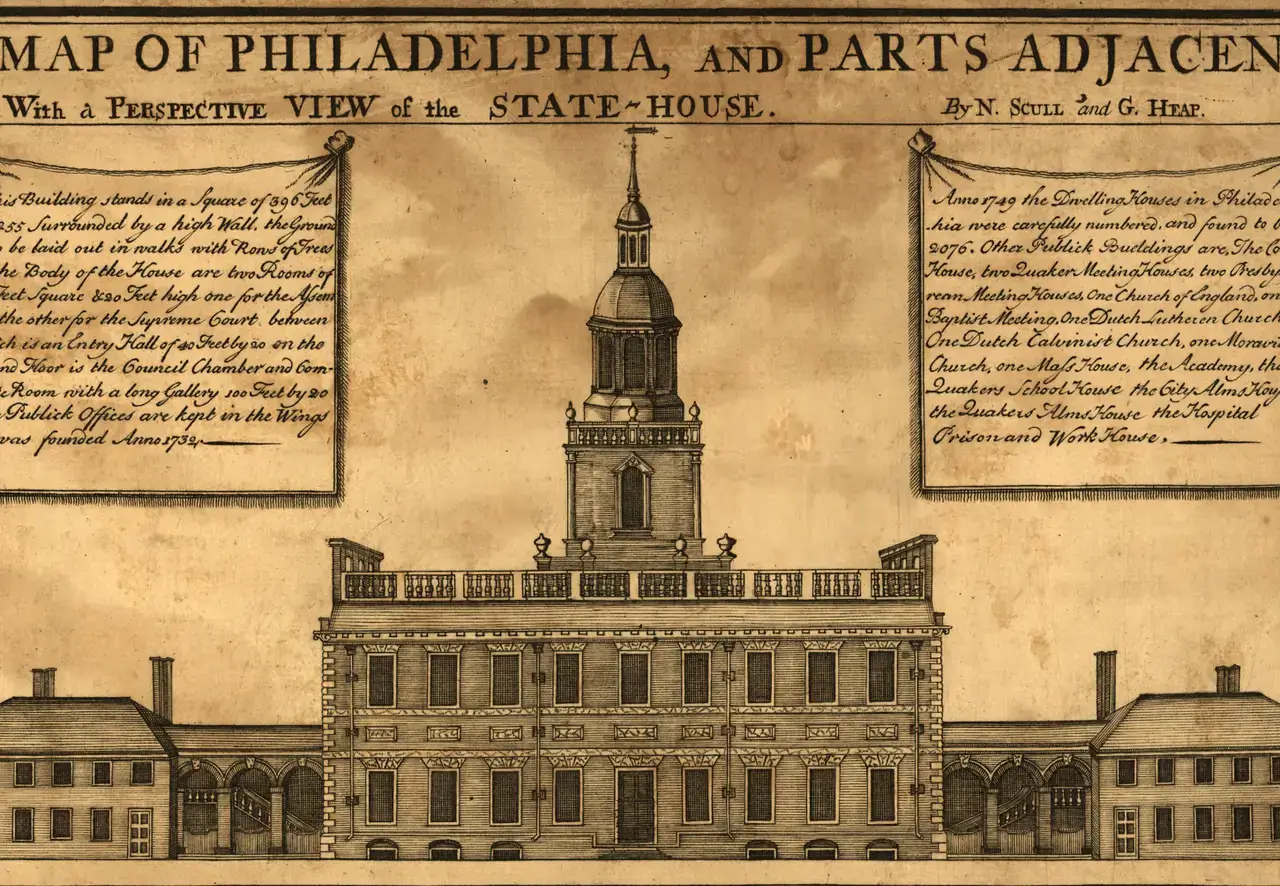
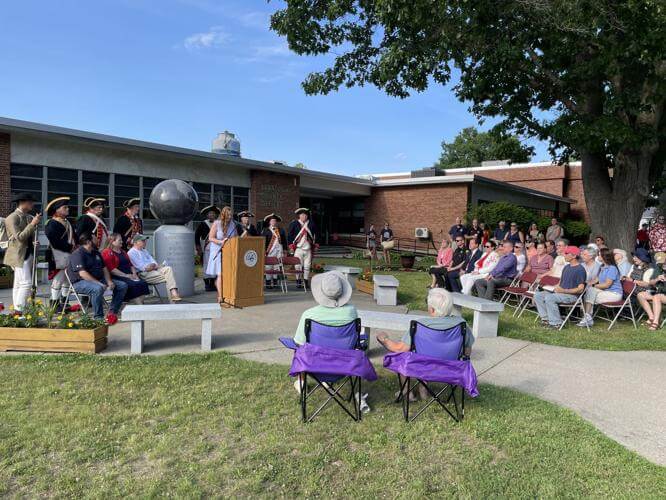
One such reading took place at the Saratoga County Offices in Ballston Spa. Prior to the reading, the First Presbyterian Church of Ballston Spa rang its bell 13 times (in honor of the 13 original colonies) to commemorate the tolling of the courtyard bells, which called the citizens of Philadelphia together at the Pennsylvania State House for the Declaration’s first public reading.

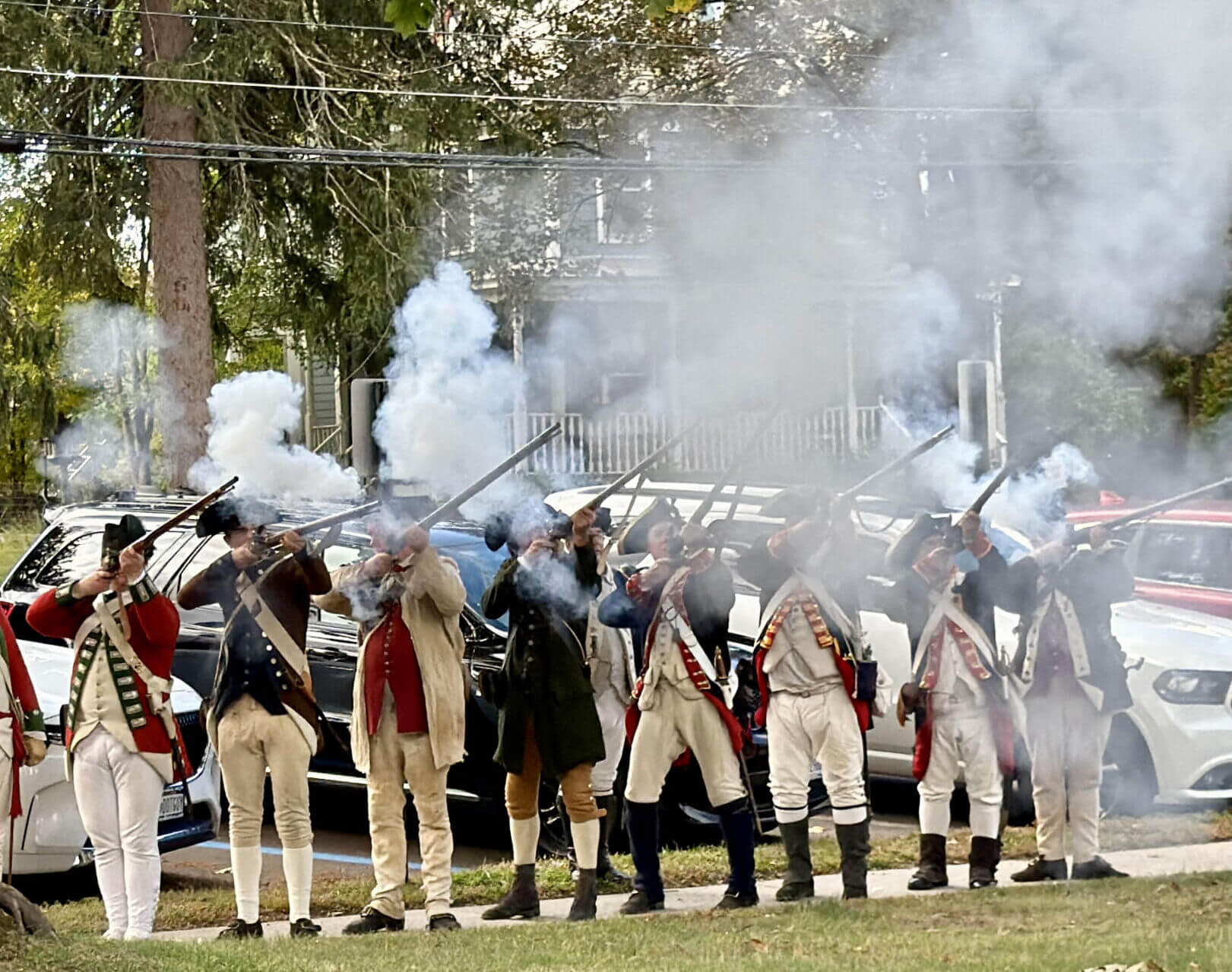
The document was then read in five parts by Frank McClement, Saratoga County director of veteran services; Heather Mabee, New York State custodian of the Daughters of the American Revolution; Bruce Venter, PhD, historian and author; Michael Companion, the Town of Milton historian; and Lauren Roberts, Saratoga County historian and chair of the Saratoga 250 Committee. After the reading, members of the 2nd Continental Artillery Regiment shot a replica 4-pound cannon specially commissioned by the Saratoga 250 Committee.

Roberts gave a brief history of the Declaration, explaining that “Independence was a lengthy process.”

The initial proposal to declare independence from Great Britain was made during the 2nd Continental Congress on June 7, 1776, by Richard Henry Lee, one of the delegates from Virginia. Congress then assembled a committee to draft the document, comprised of Thomas Jefferson from Virginia, as the primary author; John Adams from Massachusetts; Benjamin Franklin from Pennsylvania; Roger Sherman from Connecticut; and Robert R. Livingston from New York. The first vote on the resolution to declare independence was held on July 1, 1776. It failed to pass with nine colonies voting for it, two voting against; one colony was deadlocked, and New York abstained. A second vote was held on July 2, with 12 colonies voting for it. New York was still the lone holdout.

“The reason they abstained was because they hadn’t yet received permission from their home provincial congress to vote in favor of independence,” Roberts explained. “They had been given clearance to vote for reconciliation with Britain, but obviously that isn’t the way that history went.”

Even with New York’s abstention, the resolution passed on July 2, 1776, and America was officially in a fight for freedom.

“The Declaration really, in my opinion, launched all the colonies on this mission,” Bulger said. “There had been battles before at Lexington and Concord and Bunker Hill, but once this declaration got out there and united all 13 colonies, it really became the United States of America versus Great Britain.”

That the colonies would break away from the British government was never in question, but Congress still needed to tweak the wording a bit before the final document was issued to the public. They spent July 3 and 4 editing the Declaration into the final draft we know today. It was first printed in the Pennsylvania Evening Post on July 6 and on July 8, 1776, Col. John Nixon read the document to a crowd gathered at the Pennsylvania State House, now known as Independence Square.

The document essentially amounts to a list of perceived grievances against the king and the British Parliament, which the colonists found to be grounds for secession.  

“When in the course of human events, it becomes necessary for one people to dissolve the political bands which have connected them with another, and to assume among the powers of the earth, the separate and equal station to which the Laws of Nature and of Nature’s God entitle them, a decent respect to the opinions of mankind requires that they should declare the causes which impel them to the separation,” the Declaration reads in it’s opening.

What follows is a list of those causes, such as obstructing or outright refusal to follow the rule of law, exciting “domestic insurrections amongst us,” protecting “large bodies of armed troops” from punishment for “any murders which they should commit on the inhabitants of these states,” refusing to pass laws that would benefit the majority of the people “unless those people would relinquish the right of representation in the Legislature,” and of course, “for imposing taxes on us without our consent.”

“There are a lot of relatable issues today that we can see a connection with 250 years ago,” Roberts said.

The Declaration of Independence was an imperfect document from the very beginning. From its unfortunate use of the phrase “merciless Indian savages” to describe the Native Americans who sided with the British during the conflict, to the dubious claim that “We hold these truths to be self-evident, that all men are created equal,” scholars have debated for centuries the philosophical implications of the words chosen to create the nation. Despite its contradictions, the Declaration of Independence has remained the solid bedrock on which America has been built.

“All you have to do is look back in history at how many different groups between then and now have used the Declaration of Independence as a basis for their grievances,” Roberts said. “We’re recognizing it’s not a perfect document, there are ideals that we are working towards, and I think that that’s something we can continue to see today.”

Go to Post Star

BE THE FIRST TO KNOW

Sign up for our email list to stay up-to-date on the Campaign for Saratoga 250.

Sign Up Now

  Keep America’s Turning Point Alive  icon-star-red

Keep America’s Turning Point alive for generations to come by making a tax-deductible donation to the Campaign for Saratoga 250, Inc. Our certified 501c3 nonprofit organization is dedicated to promoting awareness, education, and preservation of critical assets of the Battles of Saratoga. Your support will help promote historical awareness of new generations of people across the region, nation, and globe.

Learn More

Continue reading

Before Saratoga was known for horses, it made history on the battlefield

By Saratoga County

Share
Copy link
URL has been copied successfully!

The motto of Saratoga is health, history and horses. One part of that motto runs deeper than most people realize.

In the fall of 1777, two battles fought on the fields of what is now the Saratoga National Historical Park changed the course of the American Revolution.

A British army under Gen. John Burgoyne was marching down from Canada with one goal: take Albany. The Americans, low on supplies, had been falling back for months. George Washington began sending reinforcements, including a battlefield commander whose name is now infamous for other reasons.

“He’s going to send Benedict Arnold up here, famously. At this point, he’s one of the most respected battlefield commanders on the American side. That treason stuff is far in the future, still,” said Garrett Cloer, program manager at Saratoga National Historical Park.

With Horatio Gates and Arnold in command, the first battle took place Sept. 19, when the two armies collided at Freeman’s Farm.

“That battle is very close. It’s a back-and-forth affair. But at the end of the day, the British hold the field,” Cloer said.

For three weeks, the armies sat yards apart. Then, on Oct. 7, fighting erupted again, this time two miles away at Bemis Heights. Arnold led a charge that overran the British army’s weakest point, where he was famously wounded in the leg. The Americans won the day, and Burgoyne had nowhere left to go.

“That victory leads to this chain of events. The British start retreating and Burgoyne will eventually surrender his entire army. This was the first time in British history that they had an entire army surrender. So that raises eyebrows around the world,” Cloer said.

News of the victory convinced the French to back the Americans with money, weapons and troops the new country desperately needed.

“There is absolutely no way they could’ve won the war without that French help,” Cloer said.

Visitors like George Sielski, who traveled from Buffalo, say standing on that ground hits differently than reading about it.

“This is, like, real history. You can walk on the same land that the battle was on. People were out here fighting and killing each other,” Sielski said.

Todd Shimkus, president of the Saratoga County Chamber of Commerce, said the site’s significance has often been overshadowed.

“We think it’s been sort of undervalued, underappreciated for so many years. I think part of it is people focus on this being a summer place to be and they focus on the track and SPAC,” Shimkus said.

With the 250th anniversary of the battles arriving in 2027, the chamber hopes that finally changes.

“This is the opportunity for us to showcase it to the world,” Shimkus said.

Watch Video

BE THE FIRST TO KNOW

Sign up for our email list to stay up-to-date on the Campaign for Saratoga 250.

Sign Up Now

  Keep America’s Turning Point Alive  icon-star-red

Keep America’s Turning Point alive for generations to come by making a tax-deductible donation to the Campaign for Saratoga 250, Inc. Our certified 501c3 nonprofit organization is dedicated to promoting awareness, education, and preservation of critical assets of the Battles of Saratoga. Your support will help promote historical awareness of new generations of people across the region, nation, and globe.

Learn More

Continue reading

Saratoga County Historian Lauren Roberts and TV show host Darley Newman look on as local songwriter Cassandra Kubinski plays a Steinway grand piano inside Universal Preservation Hall in Saratoga Springs on June 30, 2026. Newman visited the Spa City to launch her book "Revolutionary Road Trip. Thomas Dimopoulos

TV host visits Saratoga; historian hints at what’s to come in 2027

Share
Copy link
URL has been copied successfully!

Saratoga County Historian Lauren Roberts and TV show host Darley Newman look on as local songwriter Cassandra Kubinski plays a Steinway grand piano inside Universal Preservation Hall in Saratoga Springs on June 30, 2026. Newman visited the
Spa City to launch her book

Saratoga County Historian Lauren Roberts and TV show host Darley Newman look on as local songwriter Cassandra Kubinski plays a Steinway grand piano inside Universal Preservation Hall in Saratoga Springs on June 30, 2026. Newman visited the Spa City to launch her book “Revolutionary Road Trip. Photo by Thomas Dimopoulos, The Daily Gazette.


SARATOGA SPRINGS — TV show host Darley Newman celebrated the national launch of her book at Universal Preservation Hall on June 30.

Steeped in stories related to the founding of the nation, Newman engaged the crowd of approximately 200 people with dialogue of her adventures and a 20-minute screening of previously unseen footage of Saratoga County filmed during her last visit to the region in late 2023.

Perhaps best known for her PBS TV series “Travels with Darley,” Newman was joined in discussion by Saratoga 250 Chair Lauren Roberts and local musician Cassandra Kubinski, who performed accompaniment in song.

Newman’s 280-page book “Revolutionary Road Trip: Hidden Stories from America’s Founding Journey” features 12 chapters highlighted by stories of her travels to locations where significant events that shaped the country took place. The stories include historical figures — famous, infamous and the lesser-known alike — in an overall volume, which Newman calls “part travelogue, part historical rediscovery.”

One chapter is specifically dedicated to New York and includes 25 pages depicting a variety of locations in Saratoga County, including the present-day villages of Schuylerville and Victory, the town of Stillwater and the city of Saratoga Springs.

Newman previously visited Saratoga County with a film crew in September 2023 for a five-day journey through the area, capturing historic locales and contemporary venues. The completed project was presented as a 30-minute episode of the “Revolutionary Road Trips” TV series.

The event at UPH screened narrated footage previously unreleased that encompassed a multitude of sights across Saratoga County, including many within walking distance of the hall.

The nation is celebrating the 250th anniversary of the signing of the Declaration of Independence, but this year’s anniversary celebration is only the beginning, particularly in the local community.

[…]

To read the full article, click the link below.

Read Full Article

BE THE FIRST TO KNOW

Sign up for our email list to stay up-to-date on the Campaign for Saratoga 250.

Sign Up Now

  Keep America’s Turning Point Alive  icon-star-red

Keep America’s Turning Point alive for generations to come by making a tax-deductible donation to the Campaign for Saratoga 250, Inc. Our certified 501c3 nonprofit organization is dedicated to promoting awareness, education, and preservation of critical assets of the Battles of Saratoga. Your support will help promote historical awareness of new generations of people across the region, nation, and globe.

Learn More

Continue reading

Buying Local S3E81

Buying Local #81: How Saratoga Changed the American Revolution

Share
Copy link
URL has been copied successfully!

Buying Local S3E81

Join us as Bill Teator, Executive Director of Campaign for Saratoga 250, dives into America’s monumental 250th anniversary and the pivotal role the Battles of Saratoga played in the Revolutionary War.

Discover how the new Saratoga Revolutionary Experience app uses augmented reality to bring local history to life, connecting families with the courageous figures who shaped our nation.

Listen Now

BE THE FIRST TO KNOW

Sign up for our email list to stay up-to-date on the Campaign for Saratoga 250.

Sign Up Now

  Keep America’s Turning Point Alive  icon-star-red

Keep America’s Turning Point alive for generations to come by making a tax-deductible donation to the Campaign for Saratoga 250, Inc. Our certified 501c3 nonprofit organization is dedicated to promoting awareness, education, and preservation of critical assets of the Battles of Saratoga. Your support will help promote historical awareness of new generations of people across the region, nation, and globe.

Learn More

Continue reading

Saratoga Stories Take the Spotlight in New Revolutionary Road Trip Book and Special 250th Community Event

Share
Copy link
URL has been copied successfully!

As America approaches the 250th anniversary of its founding, Saratoga’s people, places and stories are reaching new audiences through a new book and a special public event on June 30th celebrating the region’s enduring role in American history.

TV travel host, producer and author Darley Newman will return to Saratoga Springs this summer to celebrate the launch of her new book, Revolutionary Road Trip: Hidden Stories from America’s Founding Journey, which features a dedicated chapter exploring Saratoga’s unique Revolutionary War history, cultural attractions and community stories.

The nationally released book builds on Newman’s Travels with Darley: Revolutionary Road Trip television series, including a nationally broadcast PBS episode filmed throughout Saratoga County. Together, the book and television program showcase the destinations, historic sites, local businesses, artists and community leaders helping preserve and share Saratoga’s story ahead of America’s 250th anniversary.

“In Saratoga, history is truly everywhere and the stories are incredible,” said Newman. “Whether you’re exploring Saratoga National Historical Park, dropping by the bank, going for ice cream, meeting local artists and business owners, or experiencing the community’s vibrant culture, you quickly understand why Saratoga remains such an important part of America’s story. I am excited to return and celebrate the people and places that make this destination so special.”

 The event will bring together residents, visitors, historians, artists and community leaders for an evening focused on Saratoga’s contributions to the nation’s founding and its growing role in America 250 commemorations.

 Featured highlights include:

  • A special “Director’s Cut” screening featuring never-before-seen footage and outtakes from the Saratoga-focused Travels with Darley: Revolutionary Road Trip PBS episode
  • A discussion with Darley Newman and County Historian and Saratoga 250 Chair Lauren Roberts exploring the region’s pivotal role in the American Revolution and preparations for America 250
  • A book launch celebration and signing for Revolutionary Road Trip: Hidden Stories from America’s Founding Journey
  • A special performance by Saratoga-based singer-songwriter Cassandra Kubinski, who was featured in the television episode and will perform original music to further inspire audiences

As interest in heritage travel continues to grow ahead of America’s Semiquincentennial, Saratoga is increasingly recognized as one of the nation’s most significant Revolutionary-era destinations. Through storytelling, public television, live events and travel experiences, Newman encourages visitors to discover the people, places and local connections that bring history to life.

Revolutionary Road Trip Book Launch & Director’s Cut Screening

Universal Preservation Hall
June 30th 
5:15pm: Light Reception
6:00pm: Show

View Full Article

BE THE FIRST TO KNOW

Sign up for our email list to stay up-to-date on the Campaign for Saratoga 250.

Sign Up Now

  Keep America’s Turning Point Alive  icon-star-red

Keep America’s Turning Point alive for generations to come by making a tax-deductible donation to the Campaign for Saratoga 250, Inc. Our certified 501c3 nonprofit organization is dedicated to promoting awareness, education, and preservation of critical assets of the Battles of Saratoga. Your support will help promote historical awareness of new generations of people across the region, nation, and globe.

Learn More

Continue reading

PBS travel host Darley Newman and Carl Borick, Director of the Charleston Museum, explore historic artifacts while filming for the upcoming semiquincentennial celebrations.

The Ultimate Under-the-Radar Summer Road Trip Guide for the 250th Anniversary

By Meghann Foye, Travel & Lifestyle Editor, Parade
Share
Copy link
URL has been copied successfully!

PBS travel host Darley Newman and Carl Borick, Director of the Charleston Museum, explore historic artifacts while filming for the upcoming semiquincentennial celebrations.

PBS travel host Darley Newman and Carl Borick, Director of the Charleston Museum, explore historic artifacts while filming for the upcoming semiquincentennial celebrations.


Emmy-nominated PBS host Darley Newman’s new book uncovers the hidden, under-the-radar Revolutionary War sites you’ll actually want to drive to this season.

As the United States rapidly barrels toward its monumental 250th anniversary, the standard historical heavyweights like Boston, Philadelphia and Yorktown are naturally gearing up for massive, crowd-heavy celebrations. But if you want to truly connect with the spirit of 1776 without fighting gridlock or standing in massive tourist lines, your best strategy is to look just beyond the famous landmarks.

Emmy-nominated PBS host and veteran travel expert Darley Newman is doing exactly that with her highly anticipated new book, Revolutionary Road Trip: Hidden Stories of America’s Founding Journey. Dropping just in time for mid-summer travel on June 30th, the book serves as the ultimate blueprint for travelers looking to uncover the fascinating, often-overlooked corners of the original 13 colonies that traditional history textbooks completely skipped over.

Drawing from years of on-the-ground exploration for her hit PBS series and podcast, Travels with Darley—which is currently filming its milestone 100th episode season—Newman takes readers on a vivid, firsthand trek through small-town taverns, hidden battlefields, and historic communities that are actively keeping America’s founding stories alive.

“When people think about the American Revolution, they often picture places like Boston, Philadelphia, and Yorktown,” said Newman. “I traveled beyond those well-known locations to uncover hidden gems and explore how everyday people shaped the nation’s founding in remarkable ways. I hope readers are inspired to visit these places and experience history where it happened.”

The narrative blends deep, meaningful historical context with lighthearted road-trip adventures, whether Newman is sampling Martha Washington’s famous Cherry Bounce cocktail recipe or walking the solemn grounds of South Carolina’s Camden Battlefield alongside a veteran military historian.

Instead of just recounting dates and battles, the book acts as a practical, inspiration-driven travel guide highlighting spectacular, low-key destinations you can easily drive to right now.

Newman shines a brilliant spotlight on the incredible local preservation efforts and culinary scenes in gorgeous, photogenic regions like Pennsylvania’s Brandywine Valley and York County, the historic streets of Princeton, New Jersey, the sweeping landscapes of Saratoga, New York, and the charming colonial towns of Delaware and North Carolina.

Ultimately, Revolutionary Road Trip proves that the best way to celebrate the nation’s big milestone isn’t just by staring at a statue—it’s by getting behind the wheel, hitting the pavement and experiencing history right where it actually happened.

View Full Article

BE THE FIRST TO KNOW

Sign up for our email list to stay up-to-date on the Campaign for Saratoga 250.

Sign Up Now

  Keep America’s Turning Point Alive  icon-star-red

Keep America’s Turning Point alive for generations to come by making a tax-deductible donation to the Campaign for Saratoga 250, Inc. Our certified 501c3 nonprofit organization is dedicated to promoting awareness, education, and preservation of critical assets of the Battles of Saratoga. Your support will help promote historical awareness of new generations of people across the region, nation, and globe.

Learn More

Continue reading

trek-through-the-Maine-wilderness

1776: The First Year of Independence – Spring Turning Points

Written by James Richmond

This is the second in a series of articles highlighting the 250th anniversary of our nation’s independence, focusing on Albany County, New York, which, in 1776 stretched from Kingston north to Lake George. This series follows several articles published in 2025 under the title “1775: The First Year of Revolution,” also available at Saratoga250.com.
trek-through-the-Maine-wilderness

The American Invasion of Canada


In the spring of 1776, the rebellion against British rule by the United Colonies experienced several turning points that would shape the course of the conflict. Albany County had a front row seat for these events, which set the stage for THE Turning Point of 1777 and the local experiences that followed in the struggle for independence.

The Americans Retreat from Canada

After the failed attempt to capture Quebec City, and the death of General Richard Montgomery on the last day of 1775 (see 1775 article: The Invasion of Canada), the American army settled in for a winter siege outside the walled city under the command of Benedict Arnold. Four months later, British reinforcements arrived in two waves that sealed the fate of the American invasion of Canada. John Enys, an Ensign in the 29th Regiment of Foot, recounted the arrival of the first fleet on May 6.

We were no sooner on shore than we received orders to march out of the garrison. We left the town when to our great surprise the rebels had abandoned the place and that with so great a precipitation that they even left a field piece. Among other things that were found was the Commanding officer’s dinner which he had left at the fire.

arrival of British fleet

Arrival of the British Fleet at Quebec in May 1776


This first wave was followed by a much larger British fleet that arrived at the end of May carrying 12,000 British and German soldiers including Major General John Burgoyne who would lead the ill-fated invasion of New York a year later.

While these British reinforcements were the immediate cause of the failed attempt to add Canada to the thirteen United Colonies, circumstances in the months after Montgomery’s defeat seems to have made that outcome inevitable.

The status of the American army was the first cause for concern. Just surviving through the Canadian winter, the invasion force was undermanned, undisciplined and sick. Overall commander of the invasion force Major General Philip Schuyler’s own health issues forced him to remain in Albany County. In a January 13th letter, he informed General Washington of the death of Montgomery and then summarized the situation.

I tremble for our people in Canada and nothing my dear sir seems left to prevent the most fatal consequences but our immediate reinforcement that is no where to be had but from you.

In reply, Washington understood the need but could not immediately satisfy it.

If I could be the happy means of relieving our fellow citizen now in Canada…but it is not in my power, since the dissolution of the old army. The progress of raising recruits for the new has been very slow and inconsiderable. In short, I have not a man to spare.

As a result of appeals to the Continental Congress and colonial governors, additional troops were secured and finally began traveling north during the winter over the frozen surfaces of Lake George and Lake Champlain. However, they moved in small groups, without proper supplies and, more importantly, without the leadership and discipline of Montgomery’s initial invasion force.  Schuyler lamented the result.

I am ashamed of the conduct of our troops. Tories and Whigs are indiscriminately the   object of plunder whenever a fair opportunity offers. Their ignorance and distain give the Canadians to much reason to complain of ill treatment.

Leadership of the Canadian campaign was another issue during 1776.  General Schuyler remained in New York conducting the campaign from Albany, Saratoga and Lake George. In Canada, Brigadier General David Wooster assumed command after Montgomery’s death. His relationship with Schuyler started off on the wrong foot in 1775 when the aging Connecticut General chaffed at his subservient role. In Montreal, he alienated many of the citizens there, both Loyalists and prospective allies. Benedict Arnold, wounded at Quebec, remained there on the siege lines  during the winter and in the spring exchanged locations with Wooster. Major General John Thomas was sent by Washington to take over for him but died of smallpox soon after arrival.  John Sullivan, who led the incursion into the Iroquois homeland three years later, oversaw the Americans retreat. These constant changes at the top added to the dysfunction of the campaign.

Preparing for the spring thaw, General Schuyler organized construction of a large fleet of bateaus under the supervision of a distant cousin. Hermanus Schuyler oversaw the construction of two boathouses at Fort George where a contingent of local carpenters familiar with the construction process turned out 100 bateaus by the end of March. 

With the breakup of the ice, additional reinforcements proceeded to Canada. Upon arriving at the siege lines around Quebec City, they found an army in disarray.  In March, Benedict Arnold reported that of his 2,500 men, over 600 were sick with smallpox. And the troops that had endured the year end attack were going home. In December, Montogomery had persuaded many to reenlist for four months. It was little wonder that newly arrived General John Thomas found these troops whose enlistments ended on April 15  “cannot be prevailed upon to continue longer in this country.”

However, the problems with the army were not the only – and arguably not the principal reason – for the failure of the first campaign of the Revolution. Much of the responsibility can be attributed to the inattention of the Continental Congress. While authorizing the creation of additional regiments to support the invasion, they were unable to provide the resources necessary for victory. Supplies, arms and ammunition were always in short supply, and the lack of specie to purchase the necessary equipment and finance Canadian militia units who opposed British rule doomed local support for the cause. 

General Schulyer, in addition to pleading with Congress for hard money for local operations, took it upon himself to provide financial support. In February, he advised General Wooster of his personal commitment to the cause.

I have with much difficulty and by giving my own security been able to raise £2,139 New York currency, which I will send you by Capt. Benson, as it is very uncertain when we will receive anything from Philadelphia. I will continue to procure as much more as I possibly can, and forward it to you as fast as collected.

Congress also overlooked another critical aspect of extending the revolution to Canada. In October 1774 the First Continental Congress had established the structure that would sustain the Revolution during the dark days of lost battles and failed campaigns. The Continental Association reached out to citizens throughout the thirteen colonies, encouraging them to make a choice between remaining within the British Empire or supporting the decisions of the Congress.  Committees were formed in counties and communities to rally support, first for resistance to British overreach, and later independence. (see 1775 articles). None of this ground level political activity was established in Canada for the prospective Fourteenth State.

Many leaders on the front lines of this campaign recognized this deficiency. During the initial stages of the campaign in the fall of 1775, General Montgomery pressured Congress to establish a committee to address the political issues which they did.  Led by Robert R. Livingston, Montgomery’s brother-in-law, in November they traveled through Albany to meet with Schuyler at Ft. Ticonderoga, offered little beyond moral support, and promptly headed back to Philadelphia without offering plans for solidifying any commitment from the Canadians.

Schuyler was incensed and in February pressed Congress once again.

I dare confidently venture to prophecy that unless a respectable Committee of Congress be with all expedition sent to Canada, our affairs will not only greatly suffer, but that, in all probability we shall lose the affections of the Canadians. 

benjamin_franklin

Benjamin Frankin ca 1775


This time, Congress agreed to appoint a first-string committee, led by Benjamin Franklin himself. Other members included notables Samuel Chase, Charles Carroll and his cousin, Father John Carroll, from Maryland. As Catholics, the Carrolls were expected to be influential with Canada’s French Catholic population.

Unfortunately, a month passed while the commissioners waited for their instructions from Congress, which they finally received on March 20th. Long on concepts but short on specifics, they were to

Press them to have a complete representation of the people assembled in convention, with all possible expedition, to deliberate concerning the establishment of a form of government, and a union with the United Colonies.

They left Philadelphia on March 29 and arrived in Albany on April 8 where Schuyler joined them. Together, they proceeded to the General’s Saratoga estate waiting for the frozen lakes to thaw. Reports from Canada told of the deteriorating situation there and Franklin was not optimistic, writing to John Hancock “I am afraid that we shall be able to effect but little there.” Finally meeting with Benedict Arnold in Montreal on April 29 they immediately were confronted with the lack of specie. The ferry hired to take them across the St. Lawrence River would not accept paper money. The commissioners minced no words in their first report back to Congress on May 6.

If hard money cannot be procured and forwarded with dispatch to Canada, it would be advisable, in our opinion, to withdraw our army and fortify the passes on the lakes to prevent the enemy from making depredations on our frontiers.

Unknown to them at the time, this report was written on the same day that British reinforcements began arriving at Quebec. The final collapse happened quickly. The commissioners left after a 10-day visit and the invading American army fell back to Sorel where the Richelieu River joins the St. Lawrence. However, under the mistaken belief that Trois-Rivieres was lightly held, on June 7th General John Sullivan ordered an attack on the town midway between Montreal and Quebec.  Not realizing that the second, and larger, British fleet including General Burgoyne had just arrived there, the Americans were routed and over 200 were captured.

From that point, the race was on to withdraw from Canada as fast as possible, just avoiding the oncoming British army as they abandoned Chambly and St. John, which had been hard won in the fall invasion. Brigadier General Arnold supervised the retreat and left Canada in the last bateau.

The battle was lost but the war had just begun.  Harbingers of the difficulty of future British efforts to invade New York are found in the journal of William Digby, a Lieutenant in the 53rd regiment of Foot who arrived with Burgoyne’s fleet. 

Thus was Canada saved with much less trouble than was expected. How to pursue them over Lake Champlain was our next thought, and the tediousness that threatened our operations necessary for so great an expedition was far from pleasing.

The Loyalists Retreat to Canada

As might be expected, the Canadian campaign occupied much of the time and effort of Schuyler, and Albany patriot leadership during the first six months of 1776. However, another situation closer to home may have had an even greater long-term impact on local citizens of both Albany and Tryon County to the west in the Mohawk valley. 

Sir William Johnson who had appointed his nephew Guy Johnson his successor as Indian Commissioner prior to his death in 1774, fled to Canada in June 1775, leaving behind William’s son John as the families’ patriarch. The Johnson’s allegiance to the British cause was backed up by their support among the Iroquois, especially the Mohawk nation. In addition, they could count  on several hundred Scotch-Irish tenant farmers, recently brought to America by Sir William.  Although the Mohawks had pledged neutrality during conferences the previous year, the Tyron County patriots were in constant fear of an uprising in the valley. (see 1775 article: The Iroquois Dilemma)

In late December 1775, the Continental Congress received intelligence that a quantity of arms and ammunition were concealed in Tryon County and advised General Schuyler “to take the most speedy and effectual measures for securing the arms and military stores, and for disarming the tories, and apprehending their chiefs.”  The Albany Committee agreed to immediately send 700 militiamen westward to confront John Johnson. In attempting to avoid an open fight, Schuyler notified both the Mohawks and Johnson of their mission and proposed a meeting to negotiate a settlement. An agreement was reached, Schuyler entered Johnstown and his tenants gave up their arms. The Baronet himself was paroled and his travel restricted.

This uneasy truce lasted for four months. In late April the Albany Committee informed Schuyler that Johnson was recruiting loyalists to take up arms against Patriots in the valley. Vowing to thwart the “diabolical designs of those miscreants”, he prepared to meet force with force. The General redirected elements of the 3rd New Jersey regiment led by Colonel Elias Dayton to march west to Johnstown to capture Sir John and his Scottish Highlander followers.

Interestingly, in a May 13th letter to Johnson, Schuyler, after revealing he was aware of his activities, told him exactly what he intended to do.  

It is therefore necessary for the Public safely of the inhabitants that I should put it out of your power to embroil them in domestic confusion and have therefore ordered you to be made a close prisoner, hereby discharging you from your parole, and sent down to Albany to be thence conveyed to his Excellency General Washington.

Johnson Hall

Johnson Hall


By warning Johnson, Schuyler may have been hoping to avoid a fight with not only Johnson’s Loyalists, but with the Mohawks who the General had been endeavoring to keep neutral. Given their connections to the Johnson family, both groups were sure to side with the British once Sir John finally declared his loyalty to the Crown.

 Forewarned, on May 19 Johnson left precipitously with about 200 tenants, leaving behind their families including his wife, who was home to greet Dayton’s regiment when they arrived at Johnson Hall. Mrs. Johnson was brought to Albany and later given a pass and eventually rejoined her husband in New York City later in 1776. 

While there, an incident occurred that illustrates the complexity of military leadership in any conflict.  Several of Dayton’s officers were accused of plundering Johnson Hall.  Lieutenant McDonald was singled out, found guilty and cashiered from the service. Schuyler sought the opinion of Washington about the higher-ranking officers.

As I was apprehensive that a public conviction of so many officers would reflect too much disgrace on our troops…permit me therefore to entreat your opinion, whether it would be prudent for me to accept the concessions they offer…and thus to bury the affair, or whether I ought to have them tried.

To his credit, Washington suggested that the Court Martial should proceed. At a November trial in Albany, the charges were found “malicious and groundless” and the officers were acquitted. Apparently, Schuyler’s concerns were shared by the military tribunal.

Attached to the Continental Army, the 3rd New Jersey nominally reported to General John Sullivan the last American commander in Canada. However, Schuyler prevailed on him to keep the Jersey men in the Mohawk Valley, fearing that Johnson might be lurking in the area set on retaliation, and to round up Loyalists left behind.

In fact, Johnson had headed north, led by Mohawk guides who skirted around the Americans busy outposts at Fort George, Fort Ticonderoga and Crown Point. After a month suffering in the Adirondack wilderness, they arrived in Montreal on June 19 and became the nucleus of the King’s Royal Regiment. The die had been cast. Together with Iroquois warriors led by Joseph Brant, brother of Sir William Johnson’s wife Molly Brant, the KRR would wreak havoc on the New York frontier for the remainder of the War.

1776 will rightfully always be celebrated as our Year of Independence, and the 1777 victory at Saratoga, the great Turning Point of the war. On a national scale, there is no argument about that. However, on the farms and in the villages of upstate New York the turning points of 1776 would bring into focus both the meaning and the consequences of Independency.


Sources:

Benedict Arnold’s Navy, James L. Nelson, 2006

Citizen Soldier: The Revolutionary War Journal of Joseph Bloomfield, Edited by Mark Lender and James Kirby Martin, 2018

Journal of Lieut. William Digby, in The British Invasion from the North, 1887

Letters of Delegates to Congress 1774-1789, Paul H. Smith, editor, Library of Congress, 1985

Minutes of the Albany Committee of Correspondence 1775-1778, compiled by James Sullivan, State Historian, 1923

No Turning Point: The Saratoga Campaign in Perspective, Theodore Corbett. 2012

Papers of Philip Schuyler, New York Public Library Digital Collections, Letter book #1 and #2

Proud Patriot: Philip Schuyler and the War of Independence 1775-1783, Don R. Gerlach. 1987

Revolutionary War Journal – Non-Profit Dedicated to Historical Education of the American Revolution and the Colonial Period

The 3rd New Jersey in New-York: Stories from ‘The Jersey Greys” on 1776, Philip D. Weaver, 2020

The American Journals of Lt. John Enys, compiled by Elizabeth Cometti, 1976

The Battle for the Fourteenth Colony, Mark R. Anderson, 2013

Keep America’s Turning Point Alive icon-star-red

Keep America’s Turning Point alive for generations to come by making a tax-deductible donation to the Campaign for Saratoga 250, Inc. Our certified 501c3 nonprofit organization is dedicated to promoting awareness, education, and preservation of critical assets of the Battles of Saratoga. Your support will help promote historical awareness of new generations of people across the region, nation, and globe.

Learn More
Continue reading