America’s Victory at Saratogaicon-star-red

A timeline of events that led up to the first surrender of a British army and the turning point in America’s fight for independence.
Share
Copy link
URL has been copied successfully!
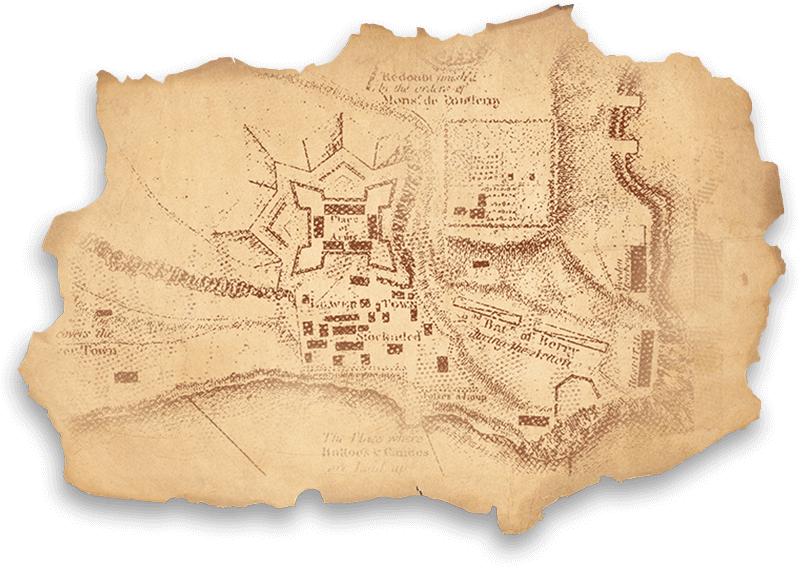
Paper with torn edges and a digital rendering of 18th century Saratoga

The Northern Campaign of 1777 called for British General John Burgoyne to head south from Canada, advancing along Lake Champlain and the Hudson River to Albany.

This was one of a two-pronged attack to capture Fort Ticonderoga and control Lake Champlain before moving south to Albany. British Colonel Barry St. Leger would advance from the west via New York’s Mohawk Valley, as a diversionary force.

With an initial 9,000 troops leaving Québec with Burgoyne and allegedly more coming from the south and west, the Battles of Saratoga should not have led to a British defeat.

Here’s How It Happened

Fort Ticonderoga’s Capture
Paper with torn edges and a digital rendering of Fort Ticonderoga

With an outdated infrastructure at Fort Ticonderoga, located about 80 miles north of Saratoga, and a shortage of Continental troops, American General Arthur St. Clair evacuates the fort to avoid being surrounded and overwhelmed by Burgoyne’s advancing army.

Battle of Hubbardton

British and Hessian forces under General Frederich Riedesel and General Simon Fraser attack but fail to trap the Continental troops retreating from Fort Ticonderoga.

Battle of Bennington
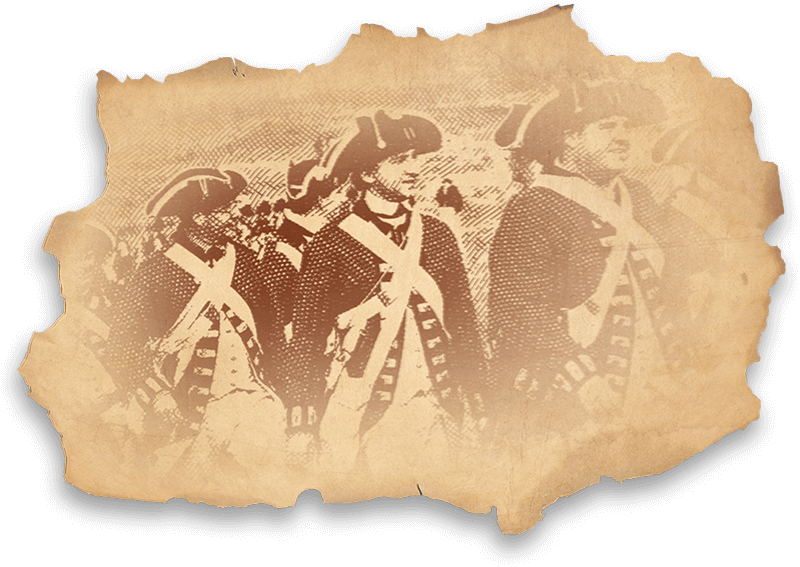
Paper with torn edges and a digital rendering of Revolutionary era soliders

Burgoyne sends out a force to capture supplies that have been stockpiled in Bennington, VT. The Americans, led by General John Stark, clashed with the British in Walloomsac, NY, decisively defeating the British, inflicting heavy losses, denying Burgoyne much-needed supplies, and weakening the British troops’ morale.

Stumbling Blocks
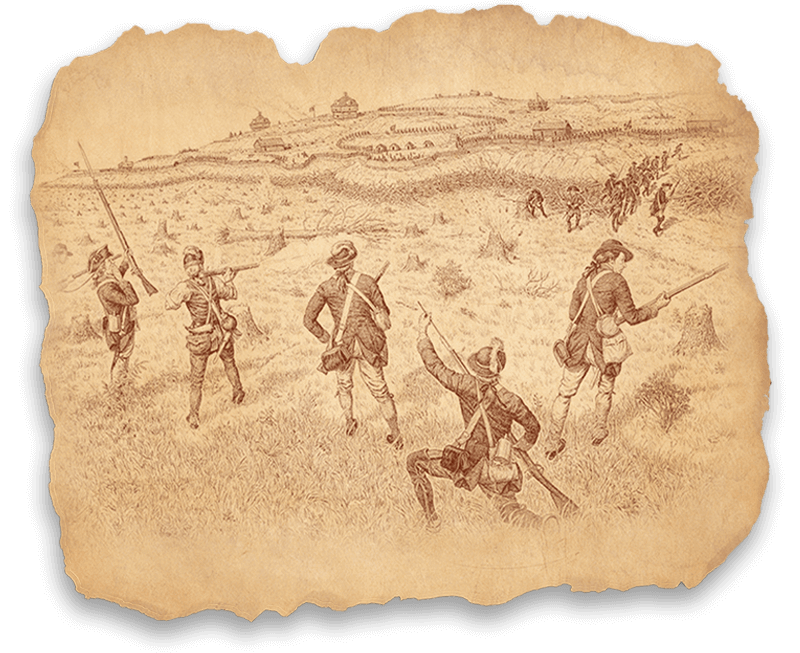
Paper with torn edges and a digital rendering of a Revolutionary War battle

Burgoyne’s advance towards Albany is slowed by logistical challenges including supply shortages following the devastating losses at the Battle of Bennington. This delay gives American General Horatio Gates critical time to situate his troops into defensive positions on the heights above the Hudson River as well as request more troops.

St. Leger’s Withdrawal
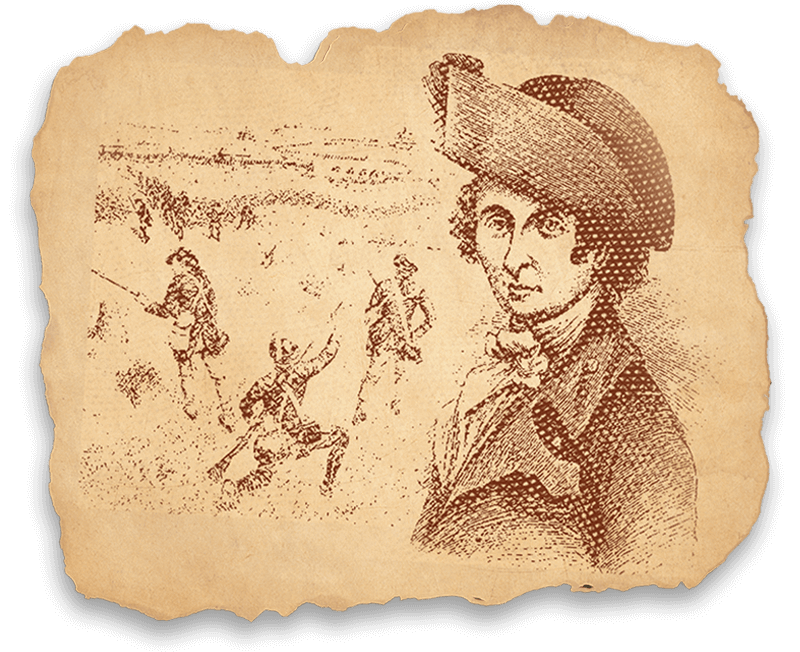
Paper with torn edges and a digital rendering of British Lieutenant Colonel Barry St. Leger

British Lieutenant Colonel Barry St. Leger and his troops abandon their unsuccessful siege of Fort Schuyler and retreat west from the Mohawk Valley to Fort Oswego and later north to Montréal, meaning no British column from the west will be joining Burgoyne in Albany.

Battle of Freeman’s Farm
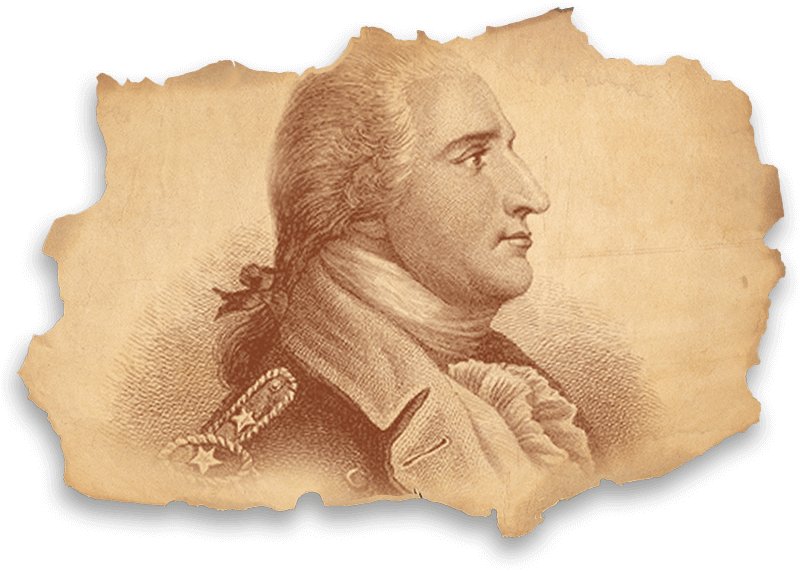
Paper with torn edges and a digital rendering of General Benedict Arnold

In the first Saratoga Battle, Burgoyne’s troops advance in three columns and engage in a long and bloody battle with American troops under General Gates. While Gates wanted to take a more defensive approach, Benedict Arnold convinces him to allow some of his troops, including Morgan’s Rifle Corps to move north and meet the British. The battle ends with the British holding their ground but beleaguered by heavy casualties – losing two men for every American.

The Battle of Bemus Heights

Burgoyne sends out a reconnaissance in force in an attempt to gather information on the American defenses. The armies clash a second time and again Benedict Arnold plays a major role in the attack, leading the American forces to victory. British forces suffer heavy losses and begin their retreat north.

Burgoyne’s Retreat

Burgoyne and his remaining 5,000 troops retreat north to the area now known as Schuylerville, waiting in vain for reinforcements. Meanwhile, more American militia arrive, increasing Gates’ forces to 14,000. They surround Burgoyne’s troops, cutting off their ability to retreat.

America’s Turning Point
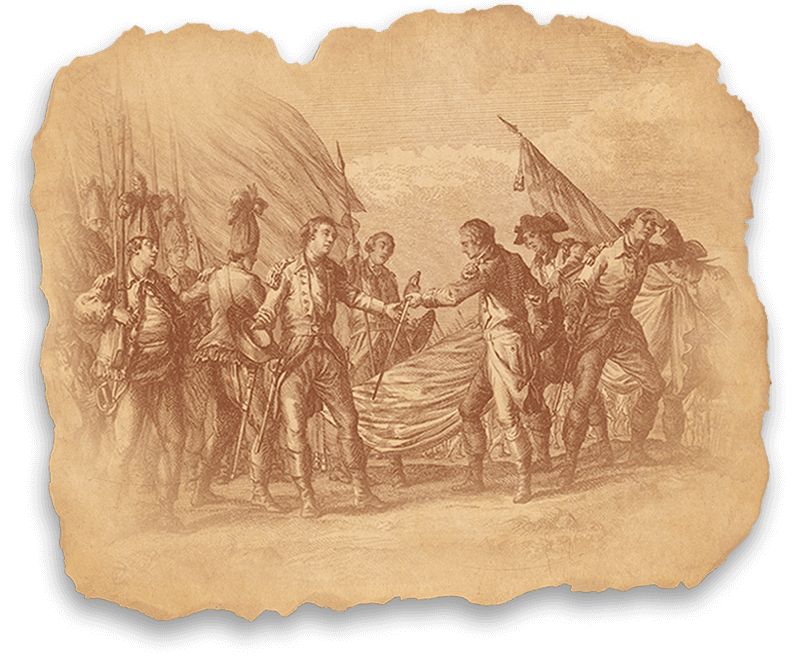
Paper with torn edges and a digital rendering of Burgoyne's Surrender

Burgoyne surrenders his sword to American General Horatio Gates at Saratoga, marking the first time in history that a British army surrendered. A depiction of this momentous event, painted by John Trumbull, is located in the United States Capitol Rotunda in Washington, D.C. The pivotal American victory at Saratoga helps to secure international support and compels France to sign the Treaty of Alliance, formally recognizing the United States as an independent nation and pledging military assistance. France’s aide proves crucial in enabling the United States to continue its fight for independence and achieve victory in the war.

Thanksgiving Proclamation
Paper with torn edges and a digital rendering of Thanksgiving Proclamation

The Continental Congress issues a proclamation declaring a national day of thanksgiving in part due to the victory at Saratoga.

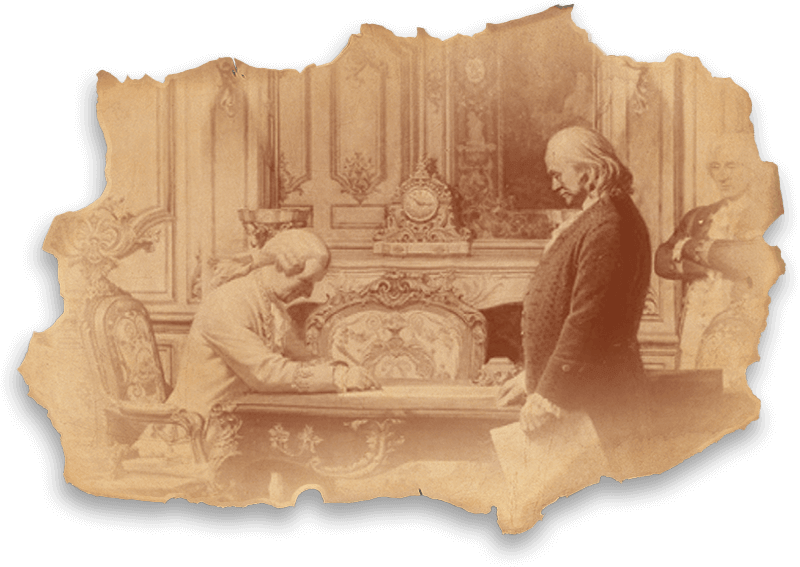
Treaty of Alliance

The United States of America and France sign the Treaty of Alliance in which France formally recognizes the United States as an independent nation and pledges military assistance against Great Britain. France’s assistance proves crucial in enabling the United States to continue its fight for independence and achieve victory in the war.

Keep America’s Turning Point Alive icon-star-red

Keep America’s Turning Point alive for generations to come by making a tax-deductible donation to the Campaign for Saratoga 250, Inc. Our certified 501c3 nonprofit organization is dedicated to promoting awareness, education, and preservation of critical assets of the Battles of Saratoga. Your support will help promote historical awareness of new generations of people across the region, nation, and globe.