
A Loyalist Widow’s Plea to England
A Loyalist Widow’s Plea to England
Loyalist Widow & Mother Desperately Appeals to England for Relief.


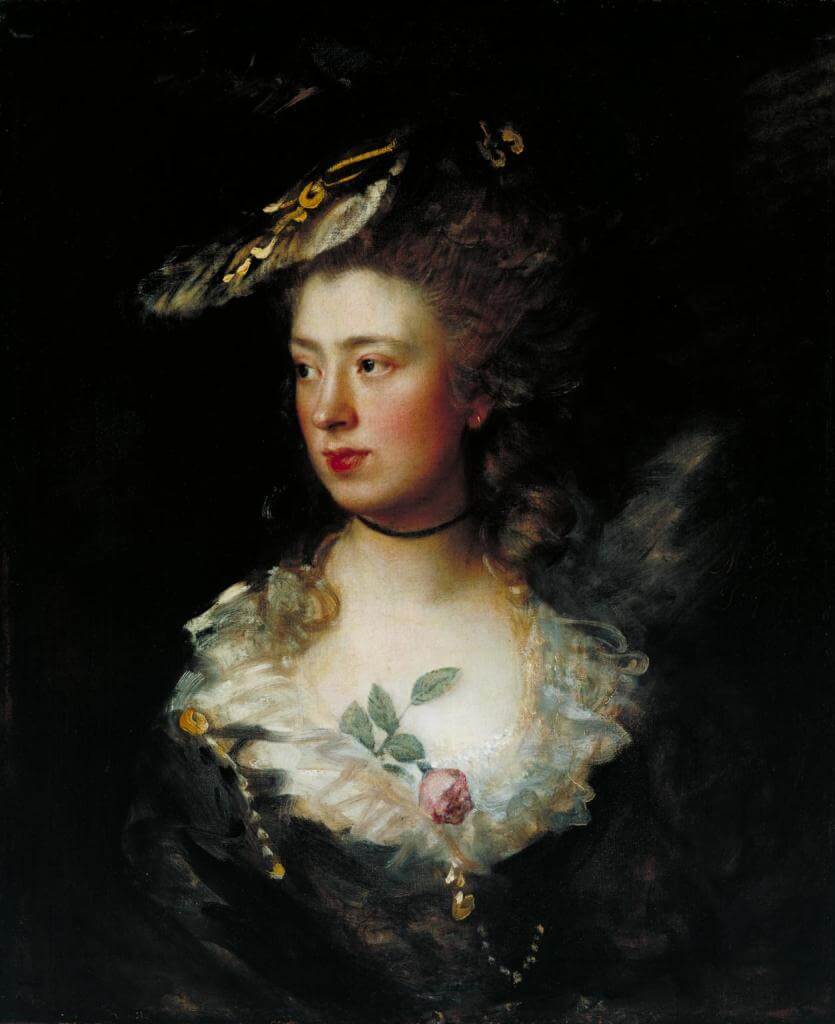
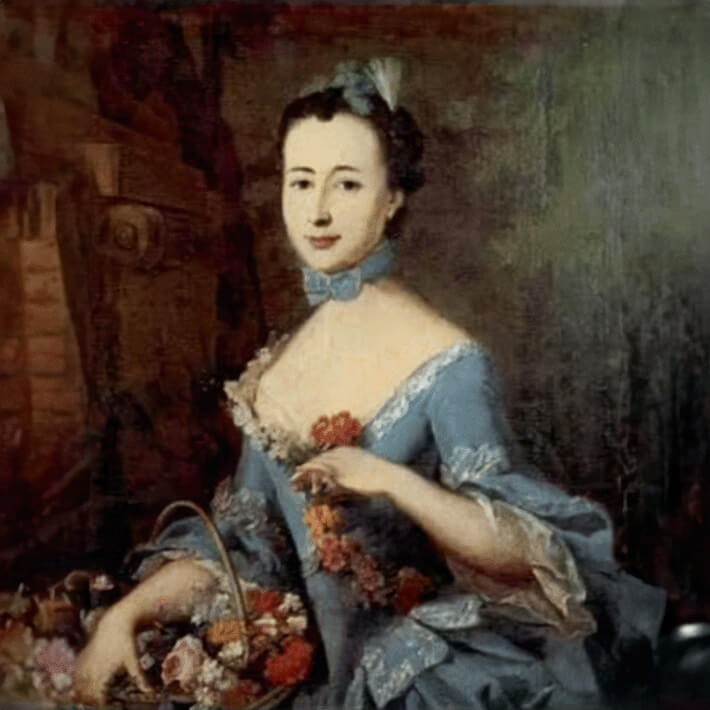
Mary McAlpin and her husband Major Daniel McAlpin purchased a 600-acre estate on the west side of Saratoga Lake in 1773. Two years later, local militia asked McAlpin to train their soldiers. He refused to become involved, was jailed multiple times in Albany, and eventually escaped and joined Burgoyne’s army at Fort Edward.
While her husband was in jail, Mary McAlpin stayed at home with her three children. The McAlpin home was placed under guard by local Patriots, who felt free to use the home as their own. In May of 1777, the Albany Committee of Safety ordered the McAlpin family from their home. They were brought first to Stillwater and then to Albany. Penniless and without proper clothing, the family relied on friends to provide food and shelter.
After the War for Independence, Mary McAlpin applied for reparations from the British government for their losses. Her husband had died in Canada during the war and she was now a widow with children to support. Her claim included 900 acres on Saratoga Lake. The property was one among 13 belonging to Loyalist families in what is now Saratoga County that had been seized by the State of New York after the war.
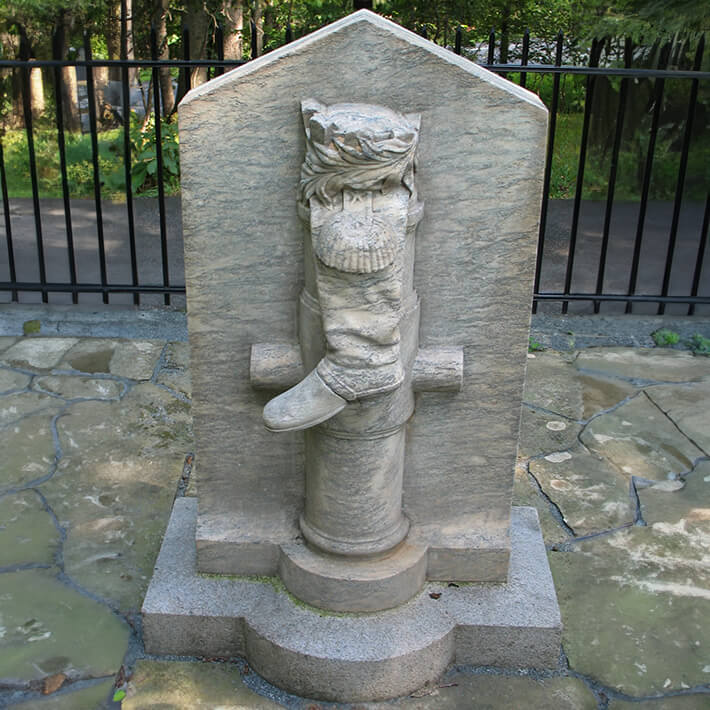
“In memory of the most brilliant soldier of the Continental Army who was desperately wounded on this spot, the sally port of Burgoyne’s great [western] redoubt 7th October 1777 winning for his countrymen the decisive battle of the American Revolution and for himself the rank of Major General.”


BE THE FIRST TO KNOW
Sign up for our email list to stay up-to-date on the Campaign for Saratoga 250.
 Keep America’s Turning Point Alive

Keep America’s Turning Point alive for generations to come by making a tax-deductible donation to the Campaign for Saratoga 250, Inc. Our certified 501c3 nonprofit organization is dedicated to promoting awareness, education, and preservation of critical assets of the Battles of Saratoga. Your support will help promote historical awareness of new generations of people across the region, nation, and globe.